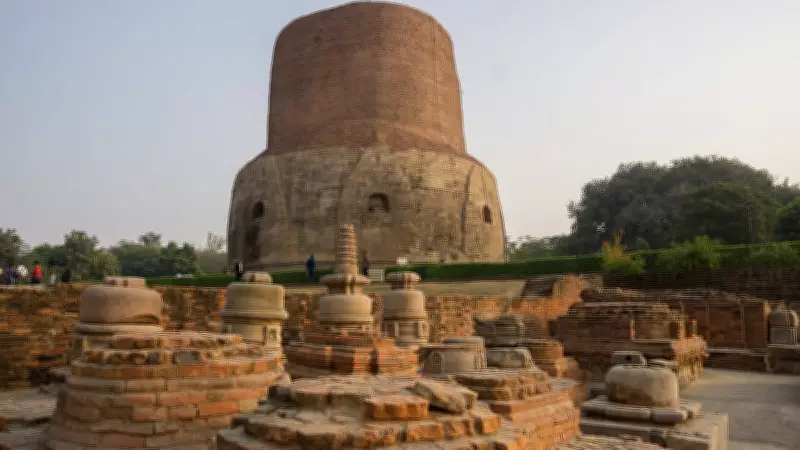
ASI Revises Historical Record, Honors Babu Jagat Singh for Sarnath Discovery
The Archaeological Survey of India (ASI) has taken a significant step in correcting a long-standing historical inaccuracy by installing a new plaque at the Sarnath Buddhist site. This action officially credits Babu Jagat Singh with the initial discovery of this important religious location, rather than British archaeologists as previously recorded.
Correcting Colonial-Era Records
For decades, historical records from the British colonial period had attributed the discovery of Sarnath to two British archaeologists: Colonel C. Mackenzie and Jonathan Duncan. The ASI's decision to revise this attribution represents a crucial correction to the historical narrative, acknowledging the contributions of Indian scholars and explorers that were often overlooked during colonial rule.
The installation of the new plaque at Sarnath serves as both a symbolic and factual rectification of this historical oversight. This move aligns with broader efforts to re-examine and accurately document India's archaeological heritage, free from colonial biases that have persisted in many historical accounts.

Significance of the Sarnath Site
Sarnath holds immense importance in Buddhist tradition as the location where Lord Buddha delivered his first sermon after attaining enlightenment. The site contains numerous archaeological treasures including:
- The Dhamek Stupa, a massive structure dating back to 500 CE
- Ancient monastery ruins
- Numerous Buddhist sculptures and artifacts
- The famous Ashoka Pillar with its lion capital
By properly attributing the discovery to Babu Jagat Singh, the ASI ensures that future generations will have a more accurate understanding of how this sacred site came to be recognized and preserved for archaeological study and religious pilgrimage.
Broader Implications for Historical Scholarship
This revision by the ASI represents more than just a correction of attribution. It reflects a growing movement within Indian historical and archaeological circles to:
- Re-examine colonial-era records with a critical eye
- Recognize indigenous contributions to archaeological discovery
- Create a more balanced and accurate historical record
- Honor the work of Indian scholars who made significant discoveries
The decision to install the new plaque at Sarnath follows careful research and verification of historical evidence supporting Babu Jagat Singh's role in the site's discovery. This meticulous approach ensures that the correction is based on solid historical foundations rather than mere sentiment.
As India continues to reassess its historical narratives, actions like this plaque installation at Sarnath serve as important milestones in creating a more accurate and inclusive understanding of the country's rich archaeological heritage. The ASI's commitment to historical accuracy in this matter sets a precedent for how colonial-era records might be re-evaluated and corrected where necessary.