Assam's Rongali Bihu Spirit Shines Through Grief, Rain, and Election Fatigue
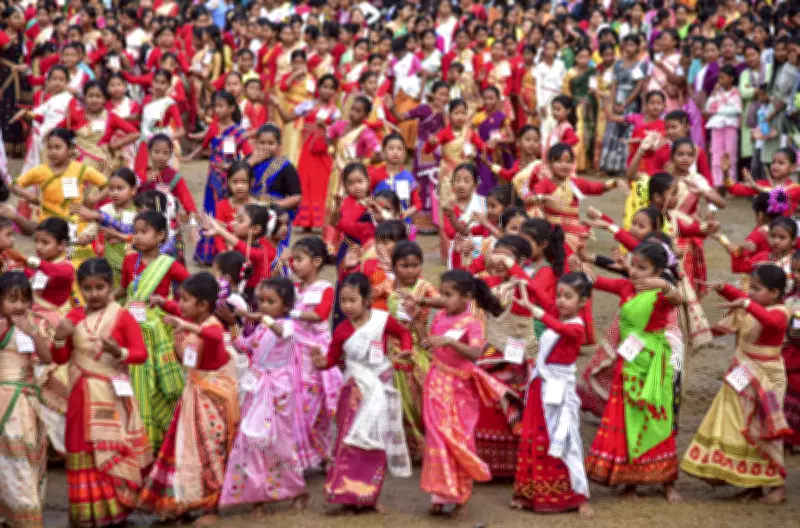
In the cities of Guwahati and Dibrugarh, a remarkable display of cultural resilience is unfolding as the people of Assam prepare to celebrate Rongali Bihu, the Assamese New Year. Despite facing a confluence of somber circumstances—including the recent loss of beloved singer Zubeen Garg, weeks of relentless unseasonal rain, and the lingering fatigue from a recent assembly election—the festive spirit remains undimmed.
Traditional Celebrations Begin with Subdued Tone
Celebrations are set to commence in Guwahati on Tuesday, infused with traditional fervor, though stage events will maintain a subdued atmosphere in memory of Zubeen Garg. Rongali Bihu, also known as Bohag Bihu, marks the beginning of the Assamese New Year, starting on the last day of Chaitra. The first day, Goru Bihu, is dedicated to cattle, where farming communities lead their livestock to rivers and water bodies for ceremonial baths, symbolizing the formal start of the Bihu season.
Zubeen Garg's Legacy Casts a Shadow Over Festivities
The untimely death of Zubeen Garg has cast a profound shadow over this year's festivities, prompting several Bihu committees across the state to either scale down or cancel programs in his honor. However, many organizers are proceeding with their events, dedicating Wednesday's programs to Zubeen's memory. Simanta Thakuria, general secretary of Pub Guwahati Bihu Sanmilan, emphasized, "We will celebrate in memory of Zubeen da, who stood for creativity and cultural promotion. The mood is not like previous years, but we are moving ahead with the Bihu programs to encourage young talent."

For countless residents, celebrating Bihu without Zubeen feels incomplete, his absence creating a silence louder than any traditional drum. Muktamoni Hazarika, a resident of Dibrugarh, shared, "Zubeen da was synonymous with Rongali Bihu for us. His songs are what made the season feel alive. This year, when his songs play at the programs, there will be tears alongside smiles. But I think he would have wanted us to celebrate—that's who he was."
Unseasonal Rain and Election Fatigue Add to Challenges
Adding to the muted build-up has been a month of relentless unseasonal rain, which has disrupted rehearsals and dampened preparations. Coupled with the exhaustion from the recent assembly election, these factors have created additional hurdles. Yet, the spirit of Bihu is proving remarkably resilient, refusing to be extinguished by external adversities.
Bihu Husori Training Upholds Cultural Identity
At the heart of this resilience is noted Bihu exponent Jiten Das, who has been tirelessly training hundreds of young men and women in the art of Bihu Husori. This traditional troupe performance involves groups visiting homes, singing Bihu songs, and performing in courtyards as a mark of blessing. Das stated, "No matter what challenges come—rain, elections, or grief—Bihu must go on. That is the message I give my students. Bihu is not just a festival; it is our identity, our soul. When young people perform Husori in someone's courtyard and the elders watch with joy in their eyes, that is something no sorrow can take away."
The determination to preserve and promote Assamese culture shines through these efforts, ensuring that Rongali Bihu continues to be a vibrant celebration of heritage and community, even in the face of sorrow and logistical challenges.