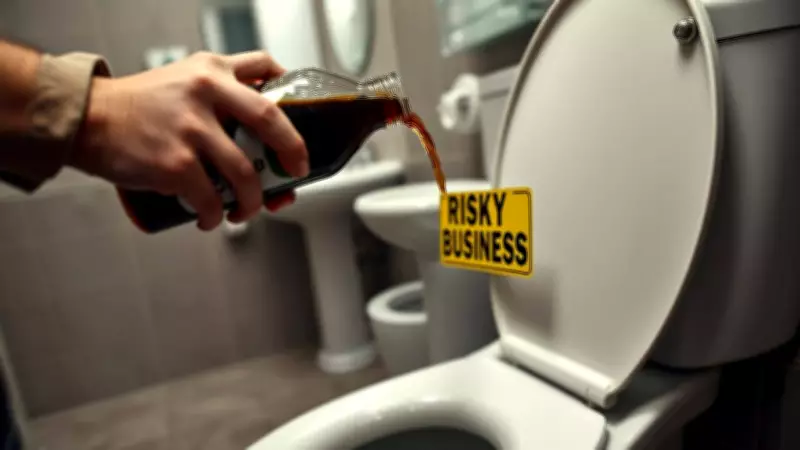
The Science and Risks of Using Cola as a Toilet Cleaner
Many of us have faced that frustrating moment just before a party: a quick bathroom check reveals stubborn rust-colored mineral deposits clinging to the bottom of the toilet bowl. Even after using your usual cleaning product, these stains persist, leading to a moment of desperation. In such times, you might recall a popular internet hack: pouring a can of cola down the drain. While this sounds like an urban legend, there is a scientific basis behind why this fizzy drink is often hailed as a "miracle" cleaner.
The Acidic Power Behind Cola's Cleaning Ability
All of it hinges on the acid component of the beverage. Regularly consumed colas contain phosphoric acid, which lowers the pH of the product to approximately 2.5. This acidic level is not only responsible for the unique tangy taste of the drink but also for its capacity to gradually dissolve mineral components like calcium and magnesium, which are the culprits behind those unsightly stains. Although it might seem like an easy way to avoid a trip to the store, using a sugary drink for cleaning dishes or toilets is not as straightforward as it appears.
Risks Associated with Acid, Fizz, and Residual Deposits
The acidic reaction of cola can affect ceramic surfaces when employed as a cleaning agent. Research, such as the study on Color Stability of Three Ceramics After Thermocycling in Coffee, Black Tea, Cola, and Water, indicates that cola impacts ceramic material. The study highlights that the acidic nature of the drink can roughen the smooth glaze of the ceramic. While this roughness helps loosen stains, it creates a "textured" surface that can trap pigments from the drink itself.

This leads to a cleaning paradox: you might dissolve the lime scale, but the dark caramel coloring in the soda could leave a slight shadow or tint on the porcelain if left to sit for too long. Furthermore, unlike specialized cleaners, soda is packed with high amounts of sugar. If you do not rinse the bowl thoroughly after the fizz settles, you are essentially leaving a sticky, sweet film behind. This residue can become a breeding ground for bacteria, potentially making your bathroom less sanitary than when you started.
Timing is crucial in this process. Professionals recommend leaving cola on for no more than one hour. This duration allows the acid to interact with minerals while minimizing damage known as etching, which might affect the ceramic surface. Brush scrubbing can assist in removing any loose grit, but a thorough wash is necessary to eliminate sugar residue. While cola offers a temporary fix, experts advise against it, recommending alternatives like white vinegar or commercial cleaners for a safer and more lasting shine.
Alternative Cleaning Products for a Lasting Shine
Obviously, using soft drinks as toilet cleaning agents is just another amusing household hack that works in a pinch. However, its long-term effects on your pipes and porcelain are not worth the risk. Acidity is capable of significantly altering the structure of clay-based substances, as indicated by studies examining the Influence of thermal and acidic treatments on the morphology of a natural kaolinitic clay mineral. In this context, ceramic toilets, made from high-quality clay, can be affected when exposed repeatedly to acid due to their low pH.
If you wish to benefit from acidity in your toilet cleaning solution while minimizing the presence of coloring or sticky syrup residues, white vinegar is a superior alternative to soda because of its acidic properties. Commercial cleaners, on the other hand, are formulated to ensure that the ceramic surface remains slippery and pristine for years to come.
While rummaging through the cleaning supplies closet when resources are limited, the cola hack is one of those quick fixes worth knowing. It reveals the surprising cleaning power behind common household objects but also serves as a reminder to be mindful of what we are putting into our bodies and the potent chemicals hiding in our favorite beverages. To ensure your bathroom stays sparkling clean, it might be best to save the cola for your glass of choice.