Festival of Feasts Faces Price Hikes, But Spirit Shines in Assam
Magh Bihu, Assam's beloved harvest festival, is in full swing, but soaring prices are making it a costly affair for many. Coconuts, a central ingredient in festive treats, have become a luxury item, with prices skyrocketing in recent years.
Coconut Crisis: Local Nuts Surge, Imports Flood Markets
The price of locally grown coconuts in Assam has surged by 25% in just the past year. Compared to five years ago, costs have more than doubled, making them prohibitively expensive for many families. This sharp increase has prompted a flood of imports from South India, which now dominate the market.
These imported coconuts are significantly cheaper, undercutting local nuts by over 50%. For example, a coconut that sold for Rs 100 in January last year and Rs 50 a year ago is now priced at Rs 125. At the Bamunimaidam market in Guwahati, vendor Anil Rabha from Boko in Kamrup district illustrates the divide. He sells a pair of locally grown coconuts for Rs 250, while three imported ones go for just Rs 100.

"Locally grown are costlier than the procured ones," Rabha said. "But sales are satisfactory." This trend highlights a shift in sourcing, as affordability drives consumer choices.
Mejis and Delicacies: Tradition Thrives Amid Economic Strain
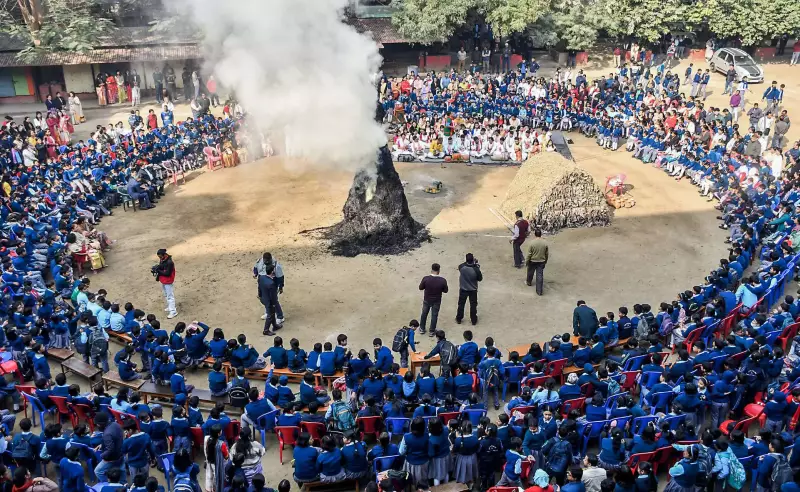
Despite the financial pressures, the festive spirit remains undampened. Markets and roadside stalls are brimming with ready-made 'mejis', the iconic conical stacks of bamboo and hay that stand like rustic crowns. These mejis, once built by communities, are now readily available for purchase.
A three-foot-tall meji sells for Rs 300-400, while a five-foot version costs Rs 500-600. In villages, the tradition continues as mejis rise in courtyards and open fields, awaiting the dawn of Magh Bihu. On the first morning, flames dance upon them as prayers ascend, honoring the gods and embracing the season's joy.
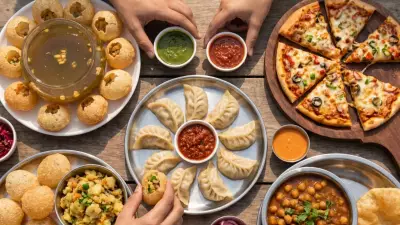
The city glows with festive energy, with readymade Bihu delicacies like pithas and laddus flooding the markets. However, the rising costs are felt deeply by residents.
Voices from the Community: Concerns and Resilience
Nisha Baruah, a teacher from Satgaon, expresses concern over the reliance on imports. "When local produce becomes a luxury and procurement from other states becomes the norm, it signals not efficiency but surrender," she said. "The flood of cheaper southern goods quietly sidelines native growers, turning self-reliance into a festive illusion. Even 'mejis', once shaped by many hands and shared pride, are now bought and burned with little connection. A festival that forgets its soil risks becoming only a spectacle of smoke and memory."
Dhan Medhi, a private sector employee from Chandmari, notes the financial strain on common people. "Prices of the products have surged, burning a hole in the pockets of the common man against stagnant income," he said. "Even after that, we have to carry on the legacy and the tradition as per the ability of every household based on their financial conditions. Celebration, preservation of the tradition in its true sense, and carrying forward those to the younger generations have now become a costly affair. But we must not give up."
This resilience underscores the enduring spirit of Magh Bihu, even as economic challenges reshape some aspects of the celebration.