Basant Panchami 2026: A Celebration of Goddess Saraswati and Spring
Basant Panchami stands as one of Hinduism's most auspicious festivals. Devotees across India honor Goddess Saraswati on this sacred day. They perform special pujas and offer heartfelt prayers to Maa Saraswati, seeking her divine blessings.
When is Basant Panchami in 2026?
This year, Basant Panchami falls on January 23, 2026. The festival occurs on the Panchami Tithi of Shukla Paksha during the Magha month. Families and communities prepare for celebrations well in advance.
The Core Significance of Basant Panchami
The day primarily celebrates Goddess Saraswati through elaborate puja ceremonies. Devotees offer various yellow-colored bhog prasad as part of their worship. Goddess Saraswati reigns as the deity of learning, knowledge, arts, creativity, and music. Hindu scriptures describe her as the consort of Lord Brahma. She played a crucial role in helping him create the universe.

Understanding Goddess Saraswati
According to Hindu traditions, Goddess Saraswati presides over speech, learning, and creative pursuits. Artists typically depict her with four hands. She holds sacred items including the Vedas, a veena, a white lotus, and a rosary. Maa Saraswati symbolizes the primordial source of creation that sustains the entire universe. Her worship emphasizes the importance of wisdom and artistic expression.
The Yellow Tradition: More Than Just Color
Many people wear yellow clothing during Saraswati Puja. This practice goes beyond mere tradition. Yellow represents the vibrant spring season in full bloom. The color signifies the ripening of fruits and crops across the countryside. Fields become covered with bright yellow flowers as nature awakens.
Yellow embodies light, positive energy, and promising new beginnings. It visually represents the dramatic changes occurring in nature. Since Basant Panchami marks the official start of spring, wearing yellow clothes becomes especially meaningful. Devotees coordinate their offerings around this hue.
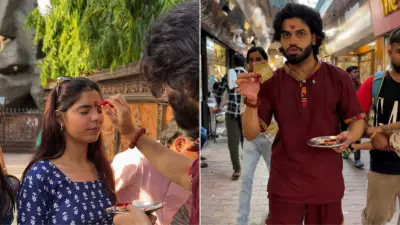
People present yellow sarees to Maa Saraswati during puja ceremonies. Many purchase new yellow garments for themselves and family members. The rituals include offering yellow bhog prasad, arranging yellow flowers around the deity, and applying yellow turmeric tilak on the goddess's forehead.
Yellow's Connection to Wisdom and Divine Figures
Yellow maintains strong associations with wisdom, teaching, and good fortune in Hindu philosophy. Several important deities appear in yellow forms. These include Lord Dakshinamurti, Lord Dattatreya, and Brihaspati (also known as Guru or Jupiter). All these divine figures share connections with imparting wisdom and knowledge.
This connection explains why yellow so perfectly represents Mother Saraswati as the Goddess of wisdom. The color visually communicates her divine attributes and blessings.
Yellow as a Symbol of Joy and Spiritual Renewal
Yellow represents far more than a seasonal color. It symbolizes pure joy, happiness, and elevated emotions. The color creates a unifying theme throughout Basant Panchami celebrations. From marigolds offered to Maa Saraswati to the bright garments worn by devotees, yellow dominates the visual landscape.
The color appears in blossoming mustard fields and sweets prepared with turmeric. Yellow stands for the delight of fresh starts, the warmth of spring sunshine, and the illuminating light of knowledge. Its importance during Basant Panchami remains undeniable. The color beautifully connects the celebration to both seasonal renewal and spiritual rebirth.
Celebrating Basant Panchami with Full Enthusiasm
Everyone should embrace this festival completely. Wear your brightest yellow clothes with pride. Offer fragrant yellow flowers to Goddess Saraswati. Present yellow foods and traditional sweets during your puja. Most importantly, seek the goddess's blessings to enrich your life with optimism, prosperity, and continuous pursuit of knowledge.
Basant Panchami offers a perfect opportunity to honor learning while welcoming spring's arrival. The yellow traditions create a vibrant, meaningful celebration that connects devotees to both nature and divinity.