The Enduring Legacy of Basant Panchami at Hazrat Nizamuddin Dargah
In the heart of Delhi, the Hazrat Nizamuddin Auliya Dargah stands as a beacon of spiritual devotion and cultural synthesis. Each year, as the chill of winter begins to wane, this revered Sufi shrine becomes the focal point for a unique and vibrant celebration of Basant Panchami, marking the arrival of spring. This tradition, deeply rooted in history, transcends religious boundaries, embodying the essence of India's pluralistic heritage.
A Historical Tapestry of Faith and Festivity
The origins of celebrating Basant Panchami at the dargah are intertwined with the life and teachings of the 13th-century Sufi saint, Hazrat Nizamuddin Auliya. Known for his message of love, compassion, and inclusivity, the saint embraced local customs, fostering a syncretic culture. Historical accounts suggest that the tradition was popularized by his disciple, the legendary poet Amir Khusrau, who is credited with introducing the festival to the shrine as a symbol of joy and renewal.
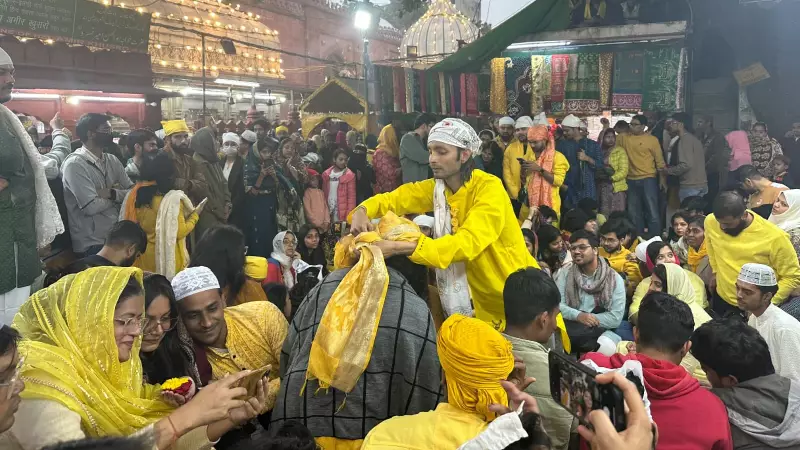
Over the centuries, this practice has evolved into a grand annual event, attracting devotees from diverse backgrounds. The dargah, primarily a site of Islamic worship, transforms into a colorful spectacle during Basant Panchami, with its courtyards adorned in yellow—the color associated with the festival and the blooming mustard fields of spring. This visual transformation is a powerful testament to the adaptive and inclusive nature of Sufism in the Indian subcontinent.

The Celebrations: A Symphony of Devotion and Culture
The Basant Panchami festivities at the dargah are a multi-sensory experience that blends spiritual fervor with cultural expressions. Key elements of the celebration include:
- Qawwali Performances: Soul-stirring qawwalis, often dedicated to the saint and the season, fill the air, creating an atmosphere of divine ecstasy. These musical renditions, a hallmark of the dargah, draw large crowds who participate in the rhythmic clapping and singing.
- Yellow Decorations: The shrine is lavishly decorated with yellow flowers, fabrics, and lights, symbolizing prosperity, knowledge, and the vibrancy of spring. Devotees often wear yellow attire to align with the festive spirit.
- Offerings and Prayers: Followers offer chadars (ceremonial cloths), flowers, and sweets at the saint's tomb, seeking blessings for wisdom and new beginnings. The day is also associated with the Hindu goddess Saraswati, adding a layer of interfaith reverence.
- Community Feasts: Langars or community kitchens serve free meals to all visitors, emphasizing the Sufi principles of service and equality, regardless of faith or social status.
Symbolism and Contemporary Relevance
This centuries-old tradition is more than just a festival; it is a living symbol of India's composite culture. In a world often divided by religious lines, the Basant Panchami celebrations at Hazrat Nizamuddin Dargah offer a poignant reminder of harmony and mutual respect. The event highlights how spiritual practices can adapt and integrate local traditions, fostering a sense of shared identity.
Today, the celebration continues to thrive, drawing not only local devotees but also tourists and scholars interested in India's syncretic heritage. It serves as an educational platform, showcasing the historical dialogues between Islam and indigenous cultures in South Asia. As urban Delhi grows and modernizes, this annual ritual provides a touchstone to the city's rich past, where faiths coexisted and enriched each other.
In essence, the Basant Panchami at Hazrat Nizamuddin Dargah is a testament to the enduring power of cultural fusion. It celebrates spring not just as a seasonal change, but as a metaphor for renewal in human relationships and spiritual understanding, making it a cherished chapter in Delhi's historical narrative.