Basoda Festival 2026: A Deep Dive into Sheetala Ashtami Celebrations
Basoda stands as one of the most significant Hindu festivals, dedicated entirely to the worship of Goddess Sheetala. This day is widely regarded as highly auspicious, offering devotees a powerful opportunity for spiritual renewal and health blessings. Primarily celebrated in the northern Indian states of Gujarat, Rajasthan, Uttar Pradesh, and various regions of Madhya Pradesh, Basoda embodies a rich cultural tradition focused on purification and healing.
Basoda 2026: Date and Precise Timings
The festival occurs exactly eight days after Holi, aligning with Sheetala Ashtami. In 2026, Basoda falls on March 11, with specific timings crucial for observances. The Ashtami Tithi begins at 01:54 AM on March 11, 2026, and concludes at 04:19 AM on March 12, 2026. The most auspicious period for Sheetala Ashtami Puja, known as the Muhurat, spans from 06:36 AM to 06:27 PM on March 11, providing a full day for devotional activities.
The Profound Significance of Basoda
Basoda is a prominent Hindu festival celebrated to honor Goddess Sheetala, who symbolizes good health, vitality, and protection. The term "Basoda" itself derives from "Basi," meaning stale or previously cooked food. Devotees prepare this food as an offering to the Goddess and subsequently consume it as Prasad. This unique ritual is believed to amplify the calming, healing energy associated with Goddess Sheetala, fostering spiritual and physical well-being.

On this auspicious day, devotees offer prayers with deep devotion and purity, seeking Mata Sheetala's blessings. She is revered for safeguarding followers from various ailments, particularly skin diseases and fever-related issues. It is firmly believed that the goddess possesses the power to cure diseases, especially contagious ones like smallpox, and to protect people from the adverse effects of seasonal changes. This period marks a powerful time to appease Mata Sheetala, as the transition between seasons often leads to widespread fevers and temperatures; worship is thought to provide relief from these conditions. Basoda serves as an opportunity to purify the body, mind, and soul, engaging in spiritual activities dedicated to healing and renewal.
Who is Goddess Sheetala?
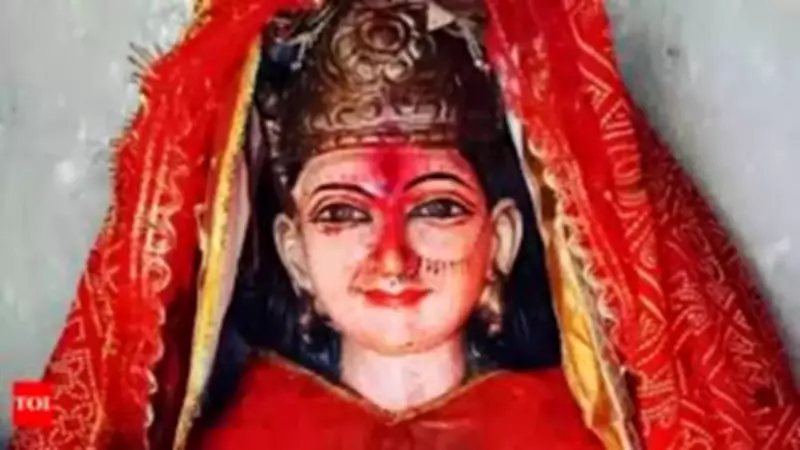
Goddess Sheetala is a highly revered deity, known as the goddess of purification and healing. She is believed to protect devotees from smallpox, chickenpox, measles, infections, fever, and heat-related effects. The name "Sheetala" means "the one who cools," derived from the Sanskrit word "sheetal," translating to "coolness." According to mythology, Goddess Sheetala emerged from the milky ocean, embodying soothing energies.
In iconography, she is depicted as a fair-skinned goddess riding a donkey, holding a broom in one hand and a pot of cooling water along with neem leaves in the other. This imagery underscores her role in cleansing and providing relief from heat and disease.
Basoda 2026: Detailed Puja Rituals
- On Sheetala Ashtami, devotees abstain from cooking fresh food. Instead, they offer previously cooked Bhog Prasad to Mata Sheetala, emphasizing the festival's connection to stale food as a sacred offering.
- Before sunrise, participants take an early morning bath and proceed to a Sheetala Devi shrine. During worship, offerings of haldi (turmeric) and bajra (pearl millet) are made, followed by the recitation of the Basoda Vrat Katha. The goddess is presented with batasha (sugar candies), rabri (sweetened condensed milk dish), curd, and sweet milk as part of the ritual. This auspicious occasion is marked by fervent prayers for blessings.
- After presenting the food to the goddess, devotees consume the prepared meal, known as Prasad or Basoda, throughout the day. Additionally, they recite the Shitalashtak, a sacred hymn considered extremely fortunate and integral to the festival's spiritual practices.
These rituals collectively enhance the festival's focus on health, purification, and devotion, making Basoda a cornerstone of Hindu cultural and religious life in northern India.