Bhagoriya Festival: A Divine Invocation for Rain, Not a Celebration of Love
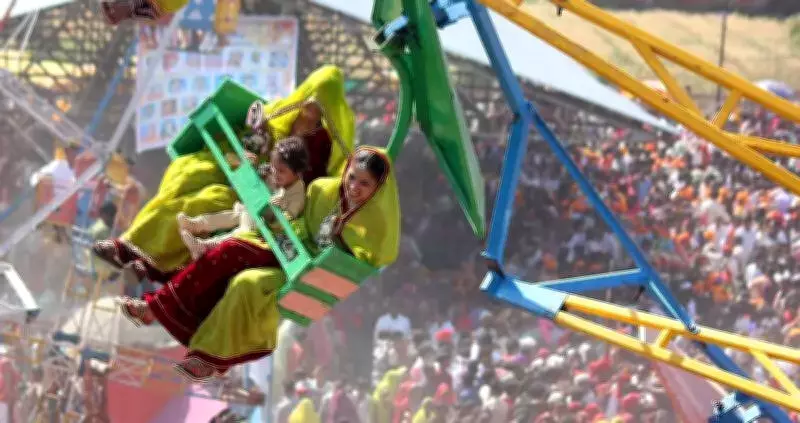
In the tribal districts of Madhya Pradesh, villagers from the Bhil and other indigenous communities recently gathered in vibrant numbers to celebrate the annual Bhagoriya festival. The air was filled with infectious joy as participants embraced, held hands, splashed each other with Holi colors, and enjoyed merry-go-rounds, their broad smiles lighting up the festivities. However, behind this colorful display lies a deeper, centuries-old tradition that has been misunderstood in recent times.
Expert Debunks Misconception of Bhagoriya as 'Prem Parv'
Ashok Mishra, the curator of Bhopal's globally acclaimed Madhya Pradesh Tribal Museum, spoke exclusively to clarify the true essence of Bhagoriya. He emphasized that the festival is not a 'Prem Parv' or festival of love, as it has been mistakenly labeled. "Bhagoriya goes back hundreds of years and was a popular Bhil festival even under British rule," Mishra explained. "It was traditionally marked by celebratory gatherings of tribal folks, boundless fun, and frolic in a festive ambience."
Historical Roots and Divine Purpose
Mishra detailed that the core of Bhagoriya is a divine invocation to Indradev, the Hindu deity of rain. "In recent years, Bhagoriya has come to be mischaracterised as a Prem Parv when it has to do essentially with the divine invocation of Indradev for enough showers to help villagers survive harsh summers on an arid land," he stated. He believes this misinterpretation has been propagated by some event organizers and tourism industry stakeholders, leading to a distorted public perception.

He added, "It isn't a Prem Parv, but an Avahan (invocation) Parv. For the longest time in its history, the festival has been about indigenous people coming together and invoking Indradev, sending prayers up to the Heavens to irrigate parched fields and help them survive unforgiving summers." This highlights the festival's agricultural and survival significance, rooted in the community's reliance on monsoon rains for their livelihoods.
Origin of the Name 'Bhagoriya'
On the etymology of the festival, Mishra shared insights into how Bhagoriya got its name. "Since the idea behind the festival was 'Dukhon ko bhagana' (driving away sadness and gloom), it was named Bhagoriya," he revealed. This naming reflects the festival's purpose of dispelling despair through communal celebration and spiritual appeals for rain, rather than romantic connotations.
Cultural Significance and Modern Celebrations
The Bhagoriya festival serves as a vital cultural touchstone for Madhya Pradesh's tribal communities, preserving their heritage and fostering unity. Key aspects include:
- Community Gathering: Villagers from various indigenous groups come together, strengthening social bonds and cultural identity.
- Festive Activities: Traditions like splashing colors, merry-go-rounds, and joyful interactions create a lively atmosphere.
- Spiritual Rituals: Prayers and invocations to Indradev are central, emphasizing the festival's agricultural roots.
- Historical Continuity: Celebrated for centuries, including during British rule, it showcases resilience and tradition.
Mishra's clarifications aim to correct the narrative, ensuring that Bhagoriya is recognized for its true purpose—a heartfelt plea for rain and a celebration of life amidst adversity, rather than a mere festival of love. This understanding enriches appreciation for the deep cultural and environmental connections of Madhya Pradesh's tribal populations.