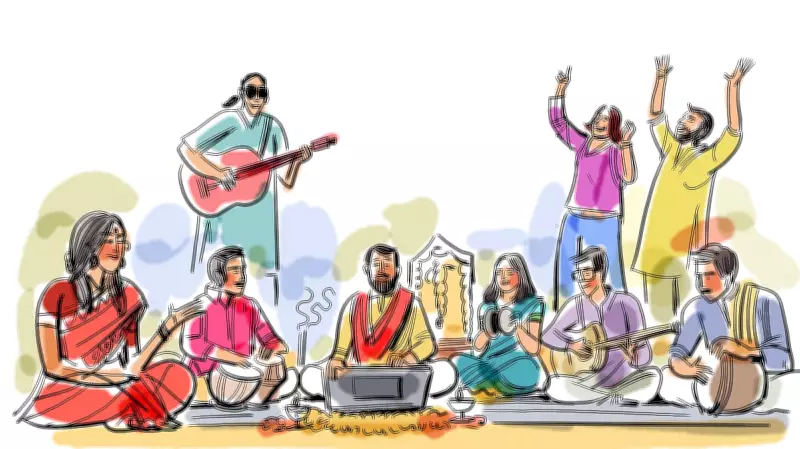
Bhajan Clubbing: A New Spiritual Trend or Just a Fad?
In recent years, a unique cultural phenomenon has emerged in urban centers across India, blending the sacred with the secular in a way that challenges traditional boundaries. Known as "bhajan clubbing," this trend involves integrating devotional music, or bhajans, into nightclub settings, creating an atmosphere that merges spiritual reverence with modern entertainment. This fusion has sparked widespread debate, with many questioning whether it signifies a genuine spiritual revival or is merely a fleeting fad driven by novelty and social media.
The Rise of Bhajan Clubbing
The concept of bhajan clubbing has gained momentum in cities like Mumbai, Delhi, and Bengaluru, where event organizers and DJs are experimenting with traditional Hindu hymns set to electronic beats. These events often feature live performances by singers who specialize in devotional songs, accompanied by pulsating music and vibrant lighting typical of nightclubs. Attendees, ranging from young professionals to older spiritual seekers, participate in singing and dancing, creating a communal experience that bridges generational gaps.
Proponents argue that bhajan clubbing makes spirituality more accessible to urban youth who might otherwise feel disconnected from religious practices. By incorporating elements of contemporary culture, such as dance floors and social gatherings, it offers a fresh approach to devotion that resonates with modern lifestyles. This trend has been amplified through social media platforms, where videos and posts from these events go viral, attracting a broader audience and fueling its popularity.

Criticisms and Concerns
Despite its growing appeal, bhajan clubbing faces criticism from traditionalists and religious scholars who view it as a dilution of sacred traditions. Critics contend that mixing bhajans with club environments trivializes spiritual practices, reducing them to mere entertainment rather than fostering genuine devotion. They argue that the loud music and party atmosphere detract from the introspective and meditative qualities inherent in traditional bhajan sessions, which are typically held in temples or quiet community spaces.
Moreover, some skeptics question the authenticity of the spiritual revival, suggesting that bhajan clubbing is driven more by commercial interests and trend-chasing than by a sincere quest for enlightenment. Event tickets often come at a premium, and sponsorships from brands add a layer of commercialization that contrasts with the selfless nature of traditional worship. This has led to debates about whether such events exploit religious sentiments for profit, rather than promoting true spiritual growth.
Impact on Urban Spirituality
Beyond the controversies, bhajan clubbing has undeniably influenced how spirituality is perceived and practiced in urban India. It reflects a broader shift towards personalized and experiential forms of religion, where individuals seek meaningful connections outside conventional frameworks. For many attendees, these events provide a sense of community and emotional release, blending the joy of music with spiritual upliftment in a way that feels relevant to their fast-paced lives.
This trend also highlights the evolving nature of cultural expression, as younger generations reinterpret traditions to suit contemporary contexts. While it may not replace traditional practices, bhajan clubbing serves as a complementary avenue for spiritual exploration, encouraging dialogue about faith in modern society. As it continues to spread, its long-term impact on religious observance and cultural identity remains to be seen, but it certainly marks a notable development in India's spiritual landscape.

Conclusion: A Genuine Revival or Passing Trend?
In conclusion, bhajan clubbing represents a complex intersection of spirituality and modernity, raising important questions about authenticity and cultural adaptation. Whether it is a genuine spiritual revival or just a trendy fad depends on one's perspective. For some, it offers an innovative way to engage with devotion, while for others, it risks commodifying sacred traditions. As this phenomenon evolves, it will be crucial to observe how it shapes spiritual practices and whether it fosters lasting connections to faith or fades as a novelty. Ultimately, bhajan clubbing underscores the dynamic nature of spirituality in an ever-changing world, inviting both celebration and critical reflection.