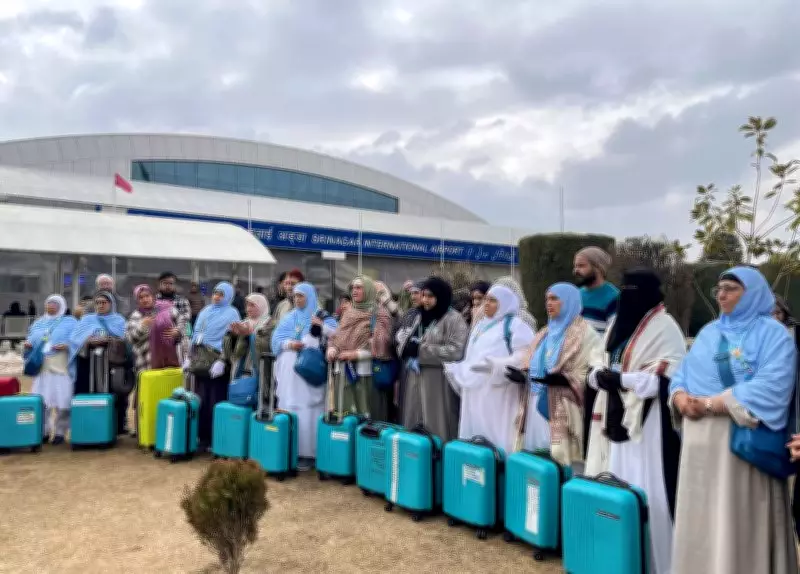
West Asia Tensions Disrupt Umrah Travel for Pilgrims from Kashmir
Geopolitical tensions in West Asia have led to a significant disruption in Umrah travel for pilgrims from Kashmir, causing widespread uncertainty and logistical challenges. The situation has affected thousands of devotees who had planned their spiritual journeys to Saudi Arabia, with travel agencies and authorities scrambling to manage the fallout.
Impact on Pilgrims and Travel Plans
The suspension of Umrah travel has left many pilgrims from Kashmir in a state of limbo, with pre-booked flights and accommodations now in jeopardy. Reports indicate that travel agencies have been forced to cancel or postpone trips, leading to financial losses and emotional distress for the affected individuals. The disruption comes at a critical time when many devotees were preparing for the holy pilgrimage, which holds deep religious significance.
Key factors contributing to the travel halt include:

- Increased security concerns in West Asia due to ongoing conflicts.
- Advisories from government agencies cautioning against non-essential travel.
- Operational challenges faced by airlines and tour operators in the region.
Response from Authorities and Travel Agencies
Local authorities in Kashmir and travel agencies have been working to address the situation, though solutions remain limited amid the volatile geopolitical climate. Some agencies are offering refunds or rescheduling options, but the lack of clarity on when normalcy will resume has compounded the difficulties. Pilgrims are being advised to stay updated through official channels and avoid making new travel arrangements until further notice.
The uncertainty has also sparked concerns about the broader impact on religious tourism from the region, which typically sees a steady flow of Umrah travelers throughout the year.
Broader Implications for Regional Travel
This disruption highlights the fragile nature of international travel in conflict-prone areas, with West Asia tensions having ripple effects on global mobility. For Kashmir, which has a strong tradition of Umrah pilgrimage, the situation underscores the need for robust contingency planning and diplomatic efforts to safeguard such religious journeys. Experts suggest that sustained tensions could lead to longer-term declines in travel, affecting not only pilgrims but also the local economy tied to tourism services.
As the situation evolves, stakeholders are calling for coordinated action to mitigate the impact and ensure the safety and convenience of future travelers. For now, pilgrims from Kashmir remain hopeful for a swift resolution to resume their spiritual pursuits.