Bhopal's Historic Old City Radiates with Ramzan Festivities and Heritage
The historic Old City of Bhopal, once poetically known as 'Arz-e-Bhopal', is currently adorned with vibrant colours and shimmering lights as the holy month of Ramzan progresses through its midpoint. The heritage lanes and bylanes, along with landmark mosques and prayer sites, are brilliantly illuminated by decorative lights and neon displays, creating a mesmerizing atmosphere that matches the joyful expressions of residents and visitors alike.
Festive Atmosphere and Culinary Delights
Smiling faces fill the food lanes where people gather to enjoy traditional Ramzan delicacies, mingling freely as joyful evenings seamlessly transition into celebratory nights. For many residents, this festive period provides the perfect opportunity to revisit cherished memories and share timeless Ramzan moments with family and friends, creating a sense of community and tradition that defines the city's cultural fabric.
Conservation Architect Reveals Nawab's Royal Traditions
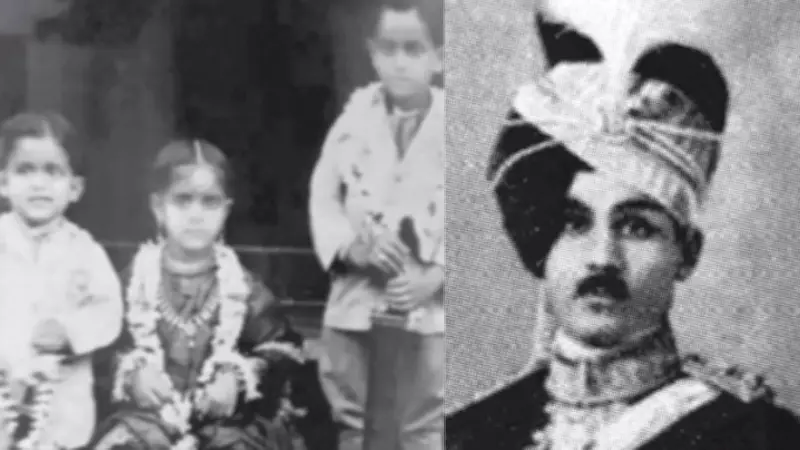
In an exclusive conversation, SM Hussain, a prominent Bhopal-based conservation architect with royal lineage, shared fascinating insights into the Ramzan traditions of Bhopal's last Nawab. Hussain, whose mother Mubarak Jahan Begum was born into royalty as the great-granddaughter of Nawab Wazir Mohammed Khan, revealed little-known aspects of the royal celebrations during the fasting month.

"Not many people are aware that it was customary for Bhopal's last Nawab, Hamidullah Khan, to invite his peers, guests, and even peasants to tea after offering his evening prayers during Ramzan," Hussain explained. "However, this was no ordinary tea ceremony."
The Legendary Kashmiri Tea of the Nawab
The tea served to guests was an extraordinary Kashmiri brew prepared with rare and precious ingredients that elevated it to a heavenly experience. The special recipe included:
- Zafran (saffron) for its distinctive flavour and colour
- Mushk (musk) for its aromatic qualities
- Ambar (ambergris) for its unique fragrance
Another distinctive feature was that the tea was exclusively made using khalis (pure) milk. According to Hussain, the recipe was originally shared by the khansama (royal cook) of Maharaja Hari Singh, the last ruling monarch of Jammu and Kashmir, with his counterpart serving the 13th Nawab of Bhopal.
Grand Celebrations and Royal Gifts
Hussain, who previously served as convenor and co-convenor of the Indian National Trust for Art and Cultural Heritage (INTACH) Bhopal chapter for over a decade, also shared personal family memories. He recalled his mother's Roza Khushayi in 1936, an age-old Ramzan custom of sharing festive cheer with impoverished people and children.
"Sadar Manzil, our ancestral mansion, was spectacularly decorated with colourful lanterns and dazzling fireworks," Hussain described. "The event featured a grand shamiyana (ceremonial tent), a Hazara (unit of a thousand royal sentinels), and brass bands that added to the magnificent splendour."
Vilayat Mohammed Khan, who held a jagir comprising 22 villages and carried the title Wala Qadar, presented Hussain's mother with 52 guns as a gift upon learning of her appreciation for firearms.
Nawab's Generosity During Ramzan
Another remarkable tradition involved the last Nawab sending exquisitely prepared Ramzan delicacies as gifts to his peers across the region. These culinary offerings included:
- Sheer Khurma, a rich vermicelli pudding flavoured with dry fruits
- Other rare and special food items
These delicacies were presented in richly embellished covers and dispatched to royal contemporaries including the Maharajas of Jaipur and Jaisalmer, as well as the Nizam of Hyderabad, demonstrating the Nawab's generosity and the interconnectedness of royal households during the holy month.
The combination of Bhopal's illuminated Old City and these preserved historical narratives creates a rich tapestry that connects contemporary Ramzan celebrations with the city's regal past, offering residents and visitors alike a deeper appreciation for the cultural heritage that continues to shape Bhopal's identity during this sacred time.