Bihar Government Directs District Magistrates to Form Committees for Manuscript Digitization
In a significant move to preserve India's rich cultural heritage, the Bihar government has issued a directive to all district magistrates (DMs) across the state. They have been instructed to constitute district-level committees and conduct regular reviews of manuscript survey, preservation, and digitization work under the Gyan Bharatam Mission. This initiative aims to accelerate efforts in documenting and safeguarding ancient texts.
Review Meeting Highlights Urgent Need for Coordination
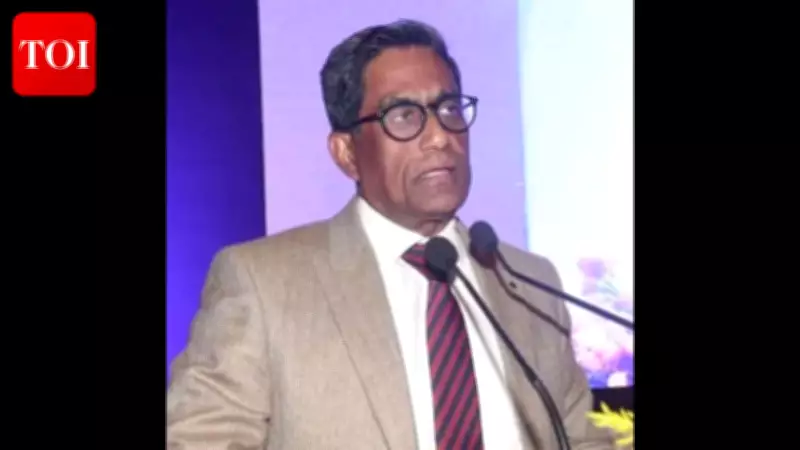
The directive was issued during a review meeting of the art and culture department held on Thursday, chaired by Chief Secretary Pratyaya Amrit. The meeting focused on assessing the progress of manuscript preservation and digitization activities. It emphasized the critical need for faster district-level coordination to expand surveys and documentation, ensuring that no valuable manuscript is left undocumented.
Gyan Bharatam Mission: A National Initiative for Knowledge Revival
Announced in the Union Budget 2025–26, the Gyan Bharatam Mission is a comprehensive national effort to revive India's knowledge traditions. Its core objectives include conducting a thorough survey, implementing scientific preservation techniques, and digitizing manuscripts. The mission targets handwritten texts that are over 75 years old, made from materials such as paper, birch bark, palm leaf, cloth, and metal. These manuscripts are being identified from various sources, including government and private institutions, monasteries, temples, and libraries, using both traditional and scientific methods.

Bihar's Manuscript Wealth and Key Coordination Centers
According to officials, Bihar holds a prominent position in India's manuscript landscape, ranking fourth nationally with a total of 4,71,802 manuscripts. Among districts, Madhubani leads with an impressive 3,70,926 manuscripts, followed by Patna, Darbhanga, and Nalanda. The art and culture department serves as the nodal agency for the mission in Bihar, with a high-level committee chaired by the chief secretary overseeing its implementation. Key coordination centers have been identified, including Nav Nalanda Mahavihara, Khudabakhsh Library, and Bodh Gaya Monastery, which will play pivotal roles in facilitating the mission's activities.
Technological Integration and Future Goals
The Gyan Bharatam Mission also involves the creation of a national digital repository leveraging AI-based technologies and cloud systems. This repository is designed to support editing, translation, and publication of rare texts, making them accessible in multilingual formats. By digitizing these manuscripts, the mission aims to preserve them for future generations and promote scholarly research and public engagement.
Chief Secretary's Call for Enhanced Collaboration
During the meeting, Chief Secretary Pratyaya Amrit further instructed DMs to strengthen collaboration with universities, museums, and private collectors. He emphasized the importance of taking the mission to "every section of society" to make it the "talk of cities and villages." This community-focused approach is intended to raise awareness and encourage widespread participation in preserving Bihar's cultural legacy.
The Gyan Bharatam Mission represents a crucial step in safeguarding India's intellectual heritage, with Bihar playing a key role in its success through coordinated efforts at the district level.