Beyond Stereotypes: Why Boys Should Master Cooking and Girls Self-Defense
In a thought-provoking opinion piece, educator and social commentator Shukla Bose challenges traditional gender roles by advocating for a fundamental shift in how we teach life skills to children. The article, originally published on March 10, 2026, argues that boys should be encouraged to learn cooking as a form of applied science, while girls should be taught self-defense techniques to build confidence and safety awareness.
Cooking as Applied Science, Not Just a Chore
Bose emphasizes that cooking should not be dismissed as a mere domestic chore relegated to women. Instead, she frames it as applied science in its most delicious and practical form. Learning to cook involves understanding chemistry, biology, and physics—from the Maillard reaction in browning to the emulsification in sauces. By teaching boys these skills, we equip them with nutritional knowledge, creativity, and independence, breaking the stereotype that kitchen duties are feminine.
Self-Defense for Girls: Empowerment and Safety
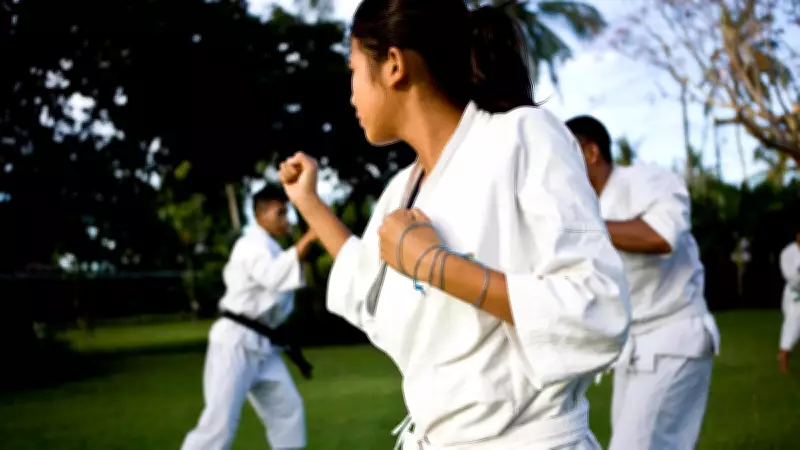
Conversely, the article highlights the importance of girls learning self-defense, which Bose metaphorically refers to as "learning to fight." This is not about promoting aggression but about building physical confidence, situational awareness, and the ability to protect oneself. In a world where safety concerns persist, such skills empower girls to navigate public spaces with greater assurance, fostering resilience and self-reliance from a young age.

Breaking Gender Norms for Holistic Development
The core argument revolves around dismantling outdated gender norms that limit personal growth. Bose suggests that by swapping these stereotypical roles—boys in the kitchen and girls in self-defense classes—we promote a more balanced and equitable society. This approach not only enhances practical life skills but also challenges societal expectations, encouraging children to explore interests beyond traditional boundaries.
- For Boys: Cooking teaches responsibility, scientific thinking, and health awareness, reducing dependency and promoting gender equality at home.
- For Girls: Self-defense instills courage, physical fitness, and a sense of security, countering vulnerabilities often associated with femininity.
In conclusion, Shukla Bose's perspective calls for an educational and parental rethink, urging a move towards skill-based learning that transcends gender. By embracing cooking as a scientific endeavor for boys and self-defense as an empowerment tool for girls, we can cultivate a generation that is more capable, confident, and free from restrictive stereotypes.