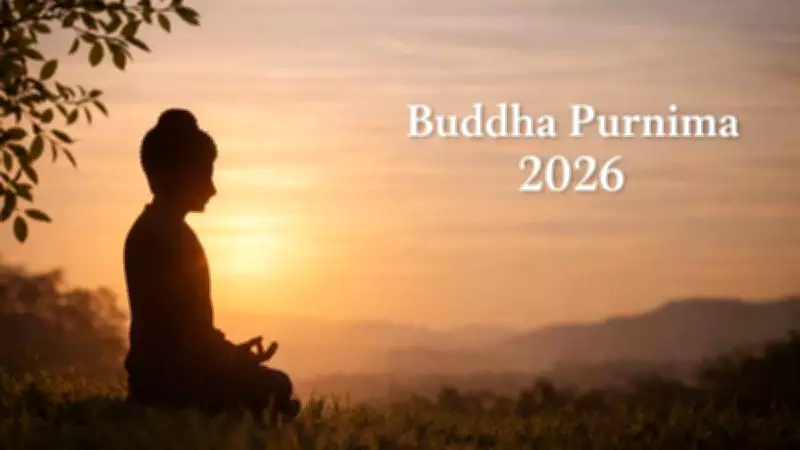
Buddha Purnima 2026: A Comprehensive Guide to the Sacred Festival
Buddha Purnima, also known as Buddha Jayanti or Vesak, is one of the most revered festivals in Buddhism, commemorating the birth, enlightenment, and Mahaparinirvana (death) of Gautama Buddha. In 2026, this auspicious occasion will be observed with great devotion and spiritual fervor across the globe. This guide provides detailed information on the date, time, muhurat, significance, and traditional methods of celebration for Buddha Purnima 2026.
Date and Time for Buddha Purnima 2026
According to the Hindu lunar calendar, Buddha Purnima falls on the full moon day (Purnima) in the month of Vaisakha. In 2026, this significant day is scheduled for Thursday, April 8, 2026. The Purnima Tithi begins at 10:08 AM on April 7, 2026, and concludes at 12:29 PM on April 8, 2026. Devotees typically observe the festival on the day when the Purnima Tithi is prevalent during sunrise, which in this case is April 8, 2026.
Auspicious Muhurat and Timings
The muhurat, or auspicious time, for performing rituals and prayers during Buddha Purnima 2026 is crucial for maximizing spiritual benefits. Key timings include:

- Purnima Tithi Start: April 7, 2026, at 10:08 AM
- Purnima Tithi End: April 8, 2026, at 12:29 PM
- Sunrise on April 8: Approximately 6:00 AM (local time may vary)
- Ideal Time for Puja: Morning hours after sunrise, especially during the Brahma Muhurta (around 4:00 AM to 6:00 AM)
It is recommended to consult local Panchang or astrological sources for precise timings based on your geographical location, as these can influence the exact muhurat.
Significance of Buddha Purnima
Buddha Purnima holds profound spiritual importance as it marks three pivotal events in the life of Siddhartha Gautama, who later became the Buddha:
- Birth: Buddha was born in Lumbini (modern-day Nepal) on this day, symbolizing the arrival of a great spiritual teacher.
- Enlightenment: He attained enlightenment under the Bodhi tree in Bodh Gaya, India, after years of meditation and seeking truth.
- Mahaparinirvana: Buddha passed away in Kushinagar, India, achieving final liberation from the cycle of birth and death.
This festival emphasizes the core Buddhist principles of peace, compassion, non-violence, and mindfulness. It serves as a reminder to followers to embrace the path of Dharma and strive for inner awakening.
How to Celebrate Buddha Purnima 2026
Celebrating Buddha Purnima involves various traditional and spiritual practices aimed at honoring Buddha's teachings. Here are some common ways to observe this day:
- Visit Temples and Monasteries: Devotees often visit Buddhist temples, stupas, and monasteries to offer prayers, light lamps, and participate in special ceremonies.
- Meditation and Chanting: Engaging in meditation sessions and chanting Buddhist sutras, such as the Dhammapada, helps cultivate mindfulness and spiritual growth.
- Acts of Charity: Performing charitable deeds, such as donating food, clothes, or money to the needy, aligns with Buddha's teachings on compassion and generosity.
- Vegetarian Meals: Many followers adopt a vegetarian diet on this day to practice non-violence (Ahimsa) and purify the body and mind.
- Decorations and Processions: Temples and homes are adorned with flowers and lights, and processions featuring Buddha statues are organized in some regions.
- Listening to Discourses: Attending sermons or reading about Buddha's life and teachings can deepen one's understanding of Buddhism.
By incorporating these practices, individuals can connect with the spiritual essence of Buddha Purnima and promote harmony in their lives.

Conclusion
Buddha Purnima 2026 is a time for reflection, devotion, and celebration of the enlightened path shown by Gautama Buddha. With its specific date of April 8, 2026, and detailed muhurat timings, this festival offers a unique opportunity for spiritual renewal. Whether through prayer, meditation, or acts of kindness, observing Buddha Purnima can inspire a journey toward peace and enlightenment, echoing the timeless wisdom of the Buddha across generations.