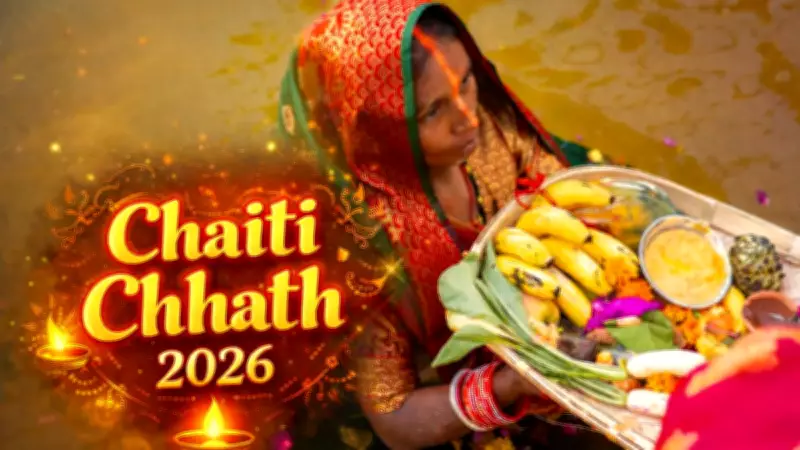
Chaiti Chhath 2026: A Comprehensive Guide to Dates and Observances
The Chaiti Chhath festival, a revered Hindu observance dedicated to the Sun God, is set to be celebrated with great devotion in 2026. This ancient festival, which falls during the Chaitra month of the Hindu lunar calendar, involves rigorous rituals and fasting over four days. In 2026, Chaiti Chhath will commence on March 28 and conclude on March 31, marking a period of spiritual renewal and gratitude for devotees across India and beyond.
The Four-Day Calendar of Chaiti Chhath 2026
The festival follows a structured four-day schedule, each day holding specific rituals and significance. Devotees engage in a series of practices aimed at seeking blessings for health, prosperity, and family well-being.
- Day 1: Nahay Khay (March 28, 2026) – On this day, devotees take a holy bath, often in rivers or ponds, and prepare a simple meal. They observe a fast for the entire day, breaking it only after sunset with a vegetarian feast that excludes onion and garlic.
- Day 2: Kharna (March 29, 2026) – This day involves a strict fast without water, which is broken in the evening after performing puja. Devotees consume a special prasad made of jaggery and rice, known as kheer, and offer prayers to the Sun God.
- Day 3: Sandhya Arghya (March 30, 2026) – Considered the most significant day, devotees fast without water and offer evening prayers to the setting sun. They stand in water bodies and present arghya (offerings) of milk, water, and fruits, seeking blessings for their families.
- Day 4: Usha Arghya (March 31, 2026) – The festival concludes with morning prayers to the rising sun. Devotees break their fast after offering arghya, marking the end of the rituals with a sense of spiritual fulfillment and community celebration.
Significance and Spiritual Importance of Chaiti Chhath
Chaiti Chhath holds profound spiritual significance in Hindu tradition. It is primarily dedicated to Surya Devta, the Sun God, and his consort Usha, symbolizing gratitude for sustaining life on Earth. The festival is believed to bring prosperity, good health, and longevity to devotees and their families.

Key aspects of its significance include:
- Purification and Renewal: The rituals, such as fasting and holy baths, are thought to purify the body and mind, fostering spiritual growth and inner peace.
- Cultural Heritage: Chaiti Chhath is deeply rooted in Indian culture, particularly in regions like Bihar, Jharkhand, and Uttar Pradesh, where it is celebrated with grand community gatherings and traditional songs.
- Environmental Connection: By worshipping the sun, the festival emphasizes the importance of natural elements and promotes ecological awareness among participants.
- Family Bonding: Families come together to observe the fasts and perform rituals, strengthening familial ties and passing down traditions to younger generations.
Preparations and Observances for Devotees
Preparations for Chaiti Chhath begin well in advance, with devotees cleaning their homes and purchasing items for the puja. Essential elements include fruits, sugarcane, coconuts, and earthen lamps. During the festival, devotees adhere to strict dietary restrictions, consuming only satvik food and avoiding salt and spices.
The observance of Chaiti Chhath is not limited to any specific region; it is celebrated by Hindu communities worldwide, with major events organized near water bodies like rivers and ponds. In 2026, as in previous years, the festival will witness large-scale participation, with devotees gathering at sunrise and sunset to offer their prayers collectively.
In summary, Chaiti Chhath 2026 offers a unique opportunity for spiritual reflection and community engagement. With its dates set from March 28 to March 31, this festival continues to uphold ancient traditions while promoting values of gratitude, health, and environmental stewardship. Devotees eagerly await this period to reconnect with their faith and celebrate the life-giving energy of the sun.