Chaitra Navratri 2026: Complete Guide to Dates, Muhurat, and Celebrations
The sacred festival of Chaitra Navratri, a nine-day celebration dedicated to worshipping Goddess Durga and her nine celestial incarnations, is set to commence on March 19, 2026. This prominent Hindu observance, which falls in the March-April period according to the Gregorian calendar, marks a time of spiritual renewal and devotion across India.
Chaitra Navratri 2026: Key Dates and Ghatasthapana Timing
Devotees eagerly await the precise timing for Ghatasthapana, the ritualistic installation of a sacred pot (kalash) that signifies the beginning of Navratri. For 2026, the auspicious window has been determined based on Vedic calculations:
- Pratipada Tithi Begins: March 19, 2026 at 06:52 AM
- Pratipada Tithi Ends: March 20, 2026 at 04:52 AM
- Meena Lagna Begins: March 19, 2026 at 06:26 AM
- Meena Lagna Ends: March 20, 2026 at 07:43 AM
The most favorable period for performing Ghatasthapana is during the Dvi-Svabhava Meena Lagna, specifically from 06:52 AM to 07:43 AM on March 19, 2026. For those who miss this primary muhurat, an alternative Abhijit Muhurat is available from 12:05 PM to 12:53 PM on the same day.

Spiritual Significance and Observances
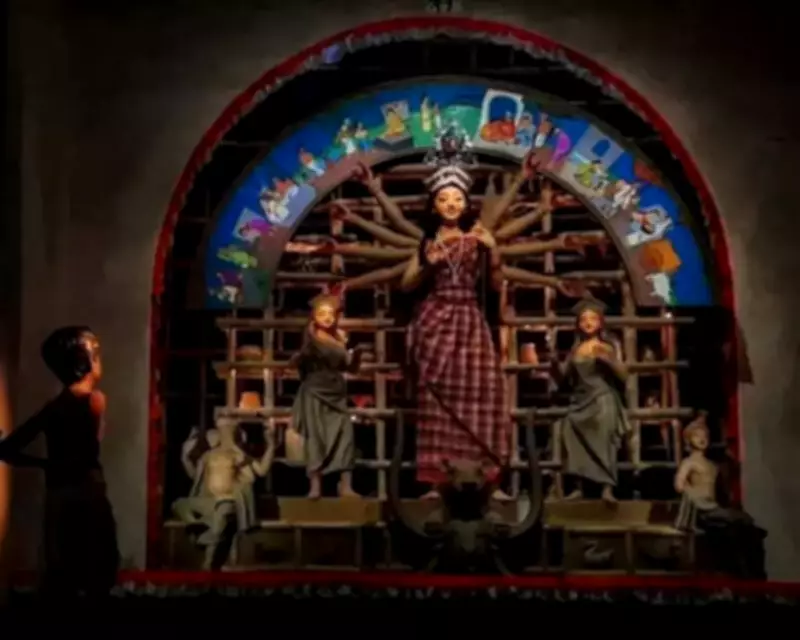
Navratri, meaning "nine nights," represents one of the most significant festivals in Hinduism, celebrated with immense fervor and devotion throughout the country. These sacred days are dedicated to honoring the divine feminine energy through the nine manifestations of Maa Durga, collectively known as Nav Durga.
Each day of Navratri holds special importance as devotees offer prayers to a different form of the Goddess, beginning with Goddess Shailputri on the first day. The festival commences on the Pratipada tithi of the Shukla Paksha in the Chaitra month and culminates with Ram Navami, celebrating the birth anniversary of Lord Rama.
During these nine days, followers engage in various religious and spiritual activities, including:
- Performing daily puja and aarti to the Goddess
- Observing fasting and maintaining purity
- Chanting sacred mantras and reciting devotional texts
- Participating in community celebrations and cultural events
Sacred Mantras for Navratri Worship
Devotees traditionally chant specific mantras during Navratri to invoke blessings and spiritual benefits. Some of the most revered mantras include:
- "Om Jayanti Mangala Kaali Bhadra Kaali Kapalini, Durga Kshama Shivadhatri Swaha Swadha Namostute..!!"
- "Om Sarva Mangala Mangalye Shive Sarvartha Sadhike, Sharanye Tryambake Gauri Narayani Namostu Te..!!"
- "Dehi Saubhagyam Aarogyam Dehi Me Parmam Sukham, Roopam Dehi Jayam Dehi Yasho Dehi Dwisho Jehi..!!"
- "Sarva Badha Vinirmukto Dhan Dhanya Sutanvitaha, Manushyo Mat Prasaaden Bhavishyati Na Sanshaaha..!!"
These mantras are believed to bring protection, prosperity, health, and spiritual growth to those who recite them with sincere devotion during the Navratri period.
Cultural Celebrations Across India
While the spiritual essence remains consistent, Navratri celebrations vary significantly across different regions of India. From the elaborate Garba dances in Gujarat to the traditional puja ceremonies in North India, each community adds its unique cultural flavor to the festival while maintaining the core devotion to Goddess Durga.
The festival ultimately symbolizes the victory of good over evil energies, reminding devotees of the eternal triumph of divine power over negative forces. As families prepare for Chaitra Navratri 2026, they look forward to these nine days of spiritual purification, community bonding, and divine blessings.