Chanakya's Timeless Insight on Religion and Righteousness
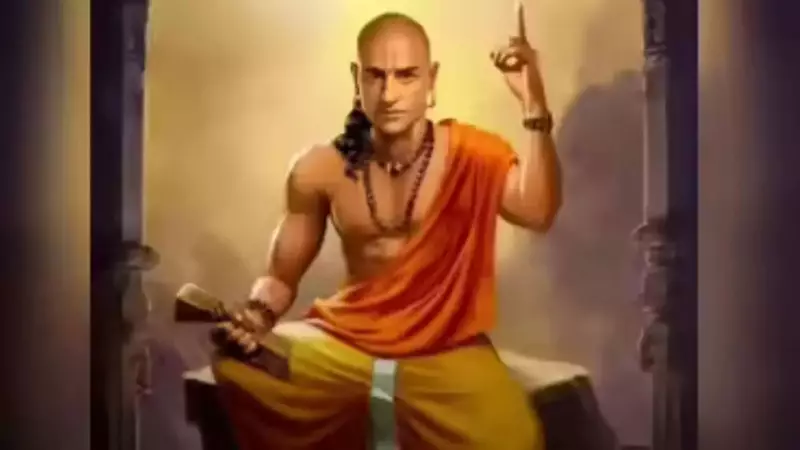
Chanakya stands as one of ancient India's most influential figures. He served as a teacher and played a pivotal role in founding the mighty Mauryan Empire. His legacy includes authoring seminal works like the Arthashastra and Chanakya Niti. These texts offer deep political and philosophical wisdom. One of his most quoted sayings challenges conventional views on religion. The statement, "Religion is not in rituals, but in righteous conduct," originates from Chanakya Niti. It is important to note that the exact phrasing of this quote can vary slightly across different sources.
Decoding "Religion is not in rituals"
The first segment of this powerful quote makes a bold declaration. Chanakya asserts that true religion does not merely reside in the performance of rituals. Many people commonly associate religion with traditions, ceremonies, and formal practices. This includes activities like performing puja, visiting temples, and observing religious rites. Chanakya provided a critical perspective on this matter. He explained that rituals, when followed without an underlying sense of righteousness, can become tools for exploitation. They might distract from the core ethical principles that should guide human behavior.
Understanding "Righteous Conduct" According to Chanakya
So, what did Chanakya mean by righteous conduct? For him, religion represented a comprehensive code for living. It teaches individuals how to navigate life with integrity and purpose. His philosophy centered on the concept of dharma, which translates to righteousness or moral duty. Chanakya believed that religion fundamentally involves:

- Adhering to one's dharma
- Fulfilling personal and social responsibilities
- Acting with strong ethics in all endeavors
He argued that a society can only thrive and maintain order when its members follow their dharma conscientiously. In his view, the essence of religion is not found in external rituals. Instead, it is deeply embedded in the daily practice of righteous living and ethical decision-making.
Why Chanakya Emphasized Dharma Over Rituals
Chanakya lived during a period where ritualistic practices often held supreme importance. In many social contexts, elaborate ceremonies overshadowed core human values. Truth, discipline, kindness, and justice sometimes took a backseat to formal observances. Chanakya's thinking presented a revolutionary contrast. He consistently emphasized righteousness as the true foundation of a meaningful life. His focus on dharma encompassed several key virtues:
- Administering justice fairly to all people
- Cultivating kindness as an integral part of one's character
- Leading a disciplined and orderly life
- Upholding truthfulness in every situation
For Chanakya, these qualities formed the bedrock of genuine religious practice, far surpassing the mere execution of rituals.
The Modern Relevance of Chanakya's Teaching
Chanakya's words resonate powerfully in today's complex world. Contemporary life is often marked by challenges like jealousy, dishonesty, conflicts, and acts of cruelty. Many individuals struggle to consistently follow a path of righteousness. This quote from Chanakya Niti offers crucial guidance. It encourages us to prioritize dharma by living ethically. Such a life fosters inner peace and personal fulfillment. The teaching also suggests that engaging in spiritual activities can help restore and strengthen one's soul dharma. In an era searching for meaning, Chanakya's insight reminds us that true religion is an active, daily commitment to righteous conduct, not a passive adherence to ritual.