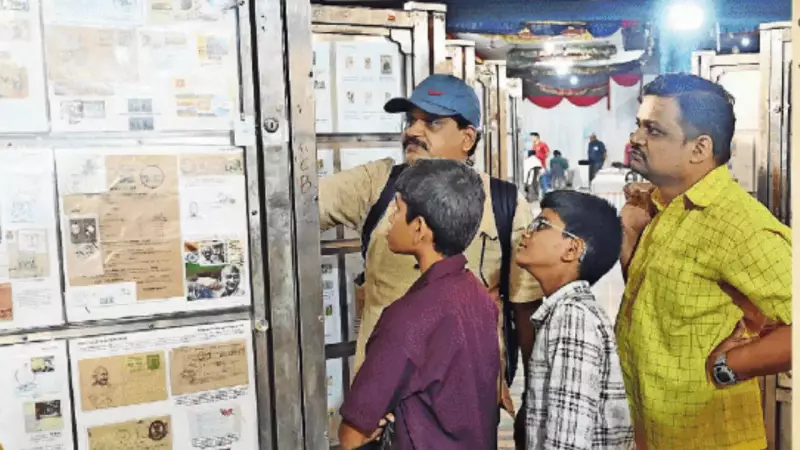
The vibrant world of philately recently took center stage in Chennai as the South India Philatelists’ Association (SIPA) celebrated a monumental milestone. The association hosted its platinum jubilee stamp exhibition, aptly titled SIPA @70, at Purasaiwalkkam. This three-day event transformed into a captivating portal, offering stamp enthusiasts a visual journey across India and the globe through rare and historically significant postage stamps.
A Thematic Showcase of History and Culture
The exhibition moved beyond traditional collecting methods to focus on thematic presentations. Mahesh Parekh, the secretary of SIPA, highlighted this evolution. He explained that stamps are far more than mere pieces of paper; they carry immense educational value and are integral to a nation's historical and cultural identity. "Earlier, collectors focused mainly on Indian stamps, but over time this has evolved into thematic collecting," Parekh shared. "This exhibition showcases only thematic stamps, including those on birds, animals, and wildlife."
This curated approach allowed visitors to experience narratives woven through philately, seeing how different countries and eras have chosen to commemorate their identity, achievements, and natural heritage on small, adhesive canvases.

India's Philatelic Crown Jewels
While the exhibition celebrated thematic collections, it also underscored the profound history embedded in Indian postage. The discussion naturally turned to the subcontinent's most iconic stamps, which are considered priceless by collectors and historians alike. The top three most important stamps in India are:
- The Red Scinde Dawk (1852): This is recognized as the first adhesive postage stamp in Asia, issued by the British East India Company in the Scinde district.
- The Gandhi Stamp (1948): Issued shortly after Mahatma Gandhi's assassination, this stamp honoring the Father of the Nation holds deep historical and emotional significance.
- The Archaeological Series Stamps (1949): This set marked India's rich cultural heritage, featuring monuments and was part of early nation-building through philately.
These stamps represent pivotal moments frozen in time, reflecting India's political journey and cultural depth.
Celebrating Seven Decades of Philatelic Passion
The SIPA @70 exhibition was not just a display of stamps; it was a celebration of seven decades of dedication to preserving philatelic history in South India. The association has been a cornerstone for collectors, fostering a community that appreciates the artistry and historical context of stamps. Events like these play a crucial role in attracting new generations to the hobby, demonstrating its relevance as both a pastime and an educational tool.
By bringing together rare collections under one roof, SIPA successfully highlighted how thematic philately can connect diverse subjects—from wildlife conservation to political history—making the hobby dynamic and continuously engaging. The exhibition in Purasaiwalkkam served as a powerful reminder that in our digital age, these miniature pieces of paper continue to tell the grand stories of our world.