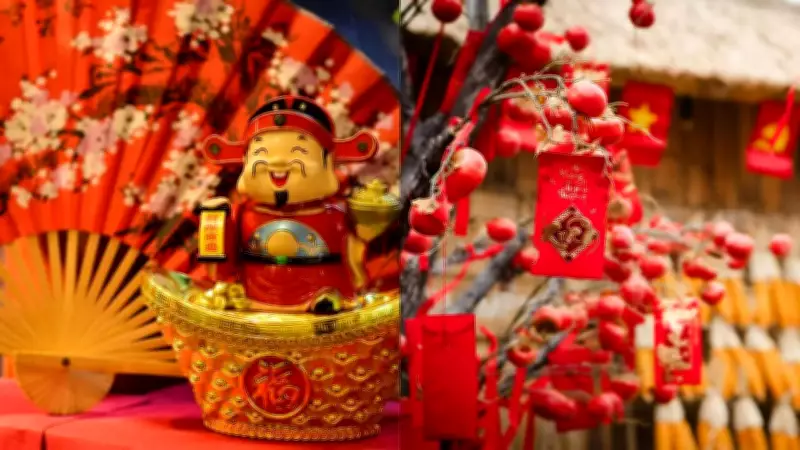
Chinese New Year 2026: Dates and the Dominance of Red
The Chinese New Year, also known as the Lunar New Year, will commence on February 17, 2026, and continue through March 3, 2026. This vibrant festival, celebrated by millions worldwide, is characterized by a striking visual theme: the pervasive use of the color red. From decorations to clothing, red saturates the celebrations, but its significance extends far beyond mere aesthetics.
Why Red? The Core Symbolism
According to ancient Chinese texts and enduring cultural beliefs, red is a primary color in New Year festivities because it is a potent symbol of good luck, vitality, and protection. This association is deeply rooted in folklore and philosophical traditions that promise prosperity and ward off misfortune for the coming year. The color's fiery energy is thought to attract positive fortune while repelling negativity, thereby inviting happiness, joy, and abundance into homes and communities during the Lunar New Year.
The Fire Element Connection
In Chinese philosophy, particularly the Five Elements theory (Wu Xing), red embodies the fire element. This connection imbues the color with dynamic qualities such as leadership, passion, and success. It is believed that incorporating red ignites these attributes, fueling both personal achievements and communal triumphs throughout the year.

Legend of the Nian Beast
One of the most famous folktales explaining red's prominence involves the Nian beast, a fearsome creature said to terrorize villages on New Year's Eve. According to legend, villagers discovered that the beast was repelled by the color red, along with loud noises from firecrackers and bright lanterns. By wearing red clothing and displaying red decorations, people successfully drove the Nian away, establishing red as an eternal shield against evil and misfortune.
Warding Off Evil Spirits
The vibrant hue of red is believed to scare away malevolent forces and evil spirits. This belief is a major reason why lion dances often feature red costumes and why homes are adorned with red decorations during the celebrations. These practices are thought to create a protective barrier for families, ensuring safety and peace in the new year.
Attracting Prosperity and Wealth
Adorning homes with red banners, couplets, and lanterns is a common practice aimed at inviting wealth Chi (energy). Red symbolizes fortune and is closely associated with the Han ethnic majority, serving as a beacon for good tidings and financial success. The color's presence is believed to attract prosperity and ensure a bountiful year ahead.
The Red Envelope Tradition
A beloved custom during Chinese New Year is the giving of Hongbao, or red envelopes filled with money. Elders present these packets to children and younger family members to bless them with luck, health, happiness, and financial growth in the coming year. This tradition reinforces the color's role in fostering goodwill and economic stability.
Promoting Vitality and Joy
Wearing new red clothing from head to toe is a popular practice that symbolizes renewal and sparks movement, love, and positive energy. This transformation of personal attire helps turn the festive period into a burst of life-affirming vitality, encouraging joy and rejuvenation among participants.
A Cultural Celebration of Harmony
The combination of red with gold in street decorations and home adornments reinforces themes of communal harmony, optimism, and the cyclical triumph over winter's gloom. Together, these colors create a visually stunning and spiritually uplifting environment that celebrates cultural heritage and collective hope for the future.