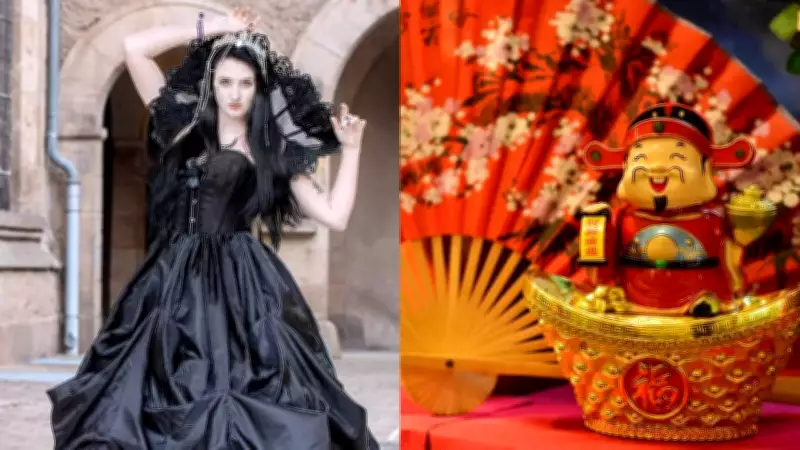
Chinese New Year 2026: Unveiling the Cultural Taboo of the Forbidden Color
The Chinese New Year, a vibrant festival steeped in ancient traditions, is fast approaching, with preparations intensifying across communities. This year, the celebrations will commence on February 17, 2026, and extend through March 3, 2026, marking a period of joy, renewal, and familial bonds. While red dominates the festivities as the prime color, symbolizing celebrations and vibrance, there exists a strict cultural taboo against one particular hue: black. Understanding this prohibition offers deep insights into Chinese customs and beliefs.
The Significance of Black in Chinese New Year Traditions
Black is universally associated with negativity and black magic in numerous cultures, but in Chinese traditions, its implications are particularly profound during the Lunar New Year. According to ancient Chinese texts and scriptures, wearing black on this auspicious occasion is widely regarded as a cultural taboo. This stems from its symbolism of mourning, death, and misfortune, which starkly contrasts with the festival's essence of joy and renewal. The age-old belief originates from color symbolism tied to funerals and negative energy, making it a strict avoidance for those seeking prosperity in the coming year.
Symbolism and Historical Roots of the Black Color Taboo
As per ancient beliefs, black represents water in the Chinese Five Elements, which are intricately linked to sorrow in Han customs. Historically, black attire was worn at funerals, and donning it during Lunar New Year is thought to invite bad chi, potentially spoiling the year's luck and fortune. The historical roots trace back to the imperial era, where black signified grief or authority in somber contexts, reinforcing its inappropriateness for a celebration centered around vitality and happiness. The Festival of Lunar New Year emphasizes red for its association with vitality, urging participants to avoid dark hues to honor ancestors and welcome good fortune.

Exceptions and Practical Tips for Modern Celebrations
While black is largely restricted, it is not completely forbidden in all forms. Small black accents, such as buttons or subtle details, are generally acceptable if balanced with lucky colors like red or gold. The key lies in focusing on intent; positivity and respectful observance often override minor slips, reflecting evolving customs in contemporary society. By adhering to these guidelines, celebrants can navigate traditions while embracing the festive spirit.
As Chinese New Year 2026 approaches, understanding these cultural nuances enhances the celebration, ensuring it remains a time of harmony and prosperity for all involved.