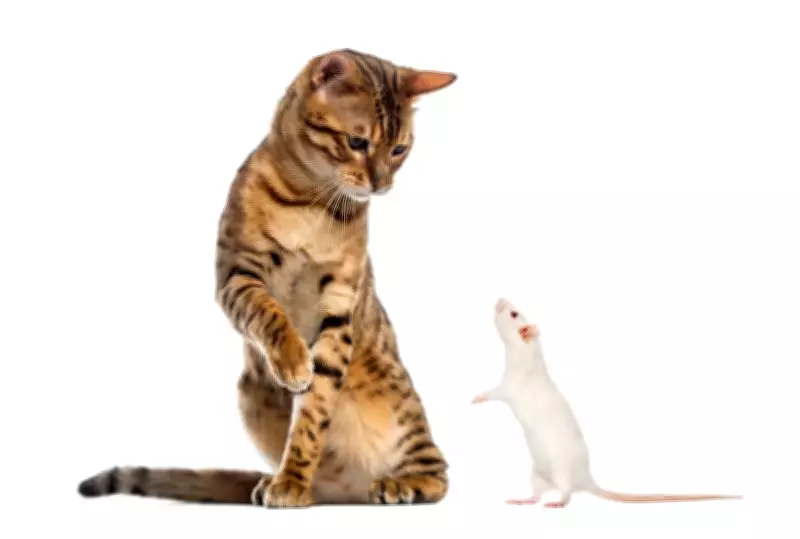
The Curse of the Cat: A Tale of Karma and Consequences
In the rich tapestry of Indian folklore, stories often serve as powerful vehicles for imparting moral lessons and philosophical insights. One such tale, recently recounted in a musing, revolves around a man whose impulsive and cruel act sets off a chain of events that underscores the timeless principle of karma. This narrative, steeped in cultural wisdom, warns against the repercussions of harming innocent beings and highlights how our actions, no matter how small, can echo through our lives.
The Fateful Act and Its Immediate Aftermath
The story begins with a man who, in a moment of frustration or perhaps sheer malice, kills a cat. This act is not portrayed as a necessary defense or an accident but as a deliberate and unjustified cruelty. In many Indian traditions, animals are considered sacred or at least deserving of compassion, and harming them is seen as a violation of dharma, or moral duty. Immediately after this deed, the man is said to be "damned" or cursed, a fate that manifests in various misfortunes plaguing his life.
The consequences unfold rapidly: he faces financial losses, health issues, and social ostracism. Friends and family distance themselves, sensing the negative energy or bad luck that now seems to cling to him. This part of the tale emphasizes how unethical behavior can isolate an individual, cutting them off from the support systems that are crucial for well-being.

Broader Implications and Moral Lessons
Beyond the personal downfall, the story delves into deeper philosophical themes. It suggests that the curse is not merely a supernatural punishment but a natural outcome of disrupting the balance of life. By killing the cat, the man violates the interconnectedness of all beings, a concept central to many Indian spiritual traditions. This disruption leads to a ripple effect, where his own life becomes entangled in suffering.
The narrative serves as a cautionary tale, urging listeners to reflect on their actions. It aligns with the idea that "what goes around, comes around," a universal truth found in karma theory. Key lessons include:
- Respect for all life: Even creatures perceived as insignificant deserve kindness and protection.
- Accountability: Every action has consequences, and we must be prepared to face them.
- Moral integrity: Upholding ethical values is essential for personal and social harmony.
Cultural Context and Modern Relevance
This folk tale is rooted in India's diverse oral traditions, where animals often symbolize virtues or vices. Cats, in particular, might be seen as independent or mysterious, but here, the cat represents innocence and vulnerability. The story resonates in contemporary times as a reminder of environmental and ethical responsibilities. In an era where animal cruelty and ecological disregard are pressing issues, such narratives encourage empathy and sustainable living.
Moreover, the concept of being "damned" can be interpreted metaphorically. It might refer to the psychological burden of guilt or the social stigma that follows unethical acts. This adds layers to the tale, making it relevant for discussions on mental health and community values.
In conclusion, "Damn the Cat and Be Damned" is more than just a folk story; it is a profound exploration of karma and human behavior. By expanding on its themes, we see how ancient wisdom continues to offer guidance in navigating modern moral dilemmas. The tale urges us to act with compassion and foresight, lest we, too, face the curses of our own making.