Ganjam's Danda Nata Festival Culminates in Spectacular Meru Sankranti Ceremony
The vibrant 13-day Danda Nata festival in Ganjam district drew to a close on Tuesday with the grand celebration of Meru, also known as Maha Visubha Sankranti or Meru Sankranti. This traditional seasonal folk dance, deeply rooted in the cultural fabric of the region, saw its main performers, known as 'dandus,' mark the auspicious occasion with intense rituals and communal devotion.
Fire-Walking and Austere Practices Define the Festival's Finale
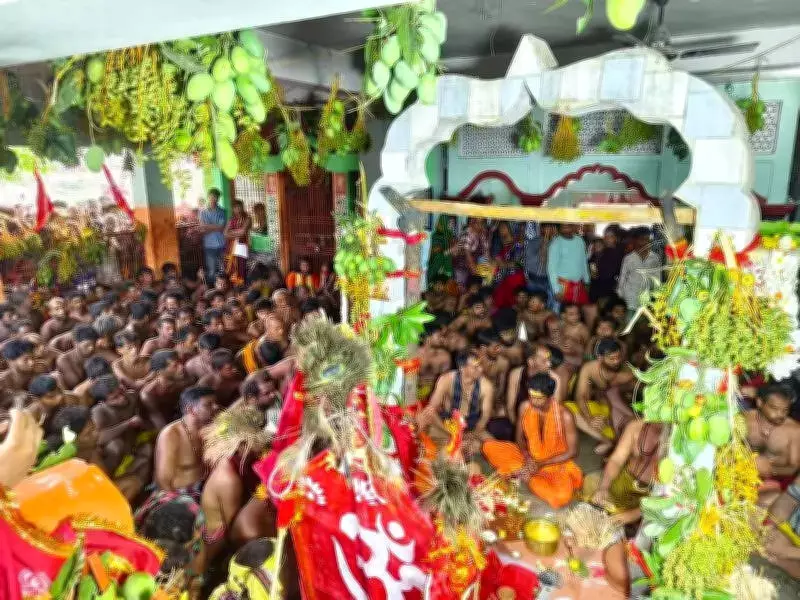
At the heart of the Meru celebration was Pata Dandua, the central figure of Danda Nata, who bravely walked on fire amidst the rhythmic beating of drums. This dramatic act, witnessed by hundreds of onlookers, symbolized the culmination of the festival, which has been observed across nearly all villages and towns in the district for the past two weeks. In some areas, the festivities even extended to 21 days, highlighting its widespread appeal.
Participants, drawn from diverse castes and referred to as Dandua, undertook rigorous austerity measures throughout the festival period to appease Lord Shiva and goddess Shakti. Their devotion was manifested through extreme practices: eating only once every 24 hours at midnight, enduring sleepless nights, and performing barefoot with minimal clothing while holding flags. Groups traversed miles in orderly rows to engage in the dance, which incorporates physical ordeals such as rolling on hot dust during midday (dhuli danda), dancing in water in the evening (pani danda), and culminating with dancing on fire at midnight (agni danda).

Community Gatherings and Security Measures Ensure Peaceful Celebrations
Thousands of devotees flocked to local temples to witness the Meru rituals, prompting police to implement extensive security arrangements to manage the large crowds. Authorities reported a peaceful event, with no untoward incidents occurring during the celebrations. This reflects the festival's role in fostering communal harmony and safety.
The day held significant spiritual importance, transcending caste barriers as people came together to offer 'pana'—a sweet concoction made from water, fruits, curd, milk, and sugar or jaggery—to the deities. This offering was then shared among devotees, symbolizing unity and devotion. Additionally, various organizations contributed to the festive spirit by distributing pana and food, enhancing the sense of community and shared cultural heritage.
The Danda Nata festival not only showcases the rich folk traditions of Ganjam but also reinforces social bonds through its inclusive and austere practices, leaving a lasting impact on participants and spectators alike.