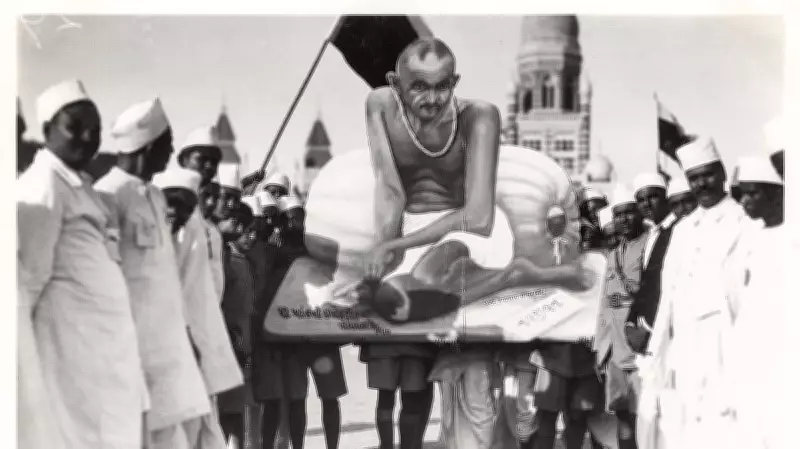
The Defiant Gaze: A Blueprint for Civil Disobedience and Protest
It is utterly impossible for any observer not to be profoundly affected by the powerful and unwavering manner in which ordinary, everyday citizens—and women, in particular—stare back directly at the camera, completely unafraid, with a certain mutinous resolve burning in their eyes. This defiant gaze emerges most potently after they have deliberately and courageously performed an illegal act as a form of protest against oppressive systems.
Acts of Defiance and Symbolic Resistance
These acts of civil disobedience are not random or trivial; they are carefully chosen symbols of resistance that carry deep historical and political significance. For instance, the illicit making of salt represents a direct challenge to colonial monopolies and unjust laws, echoing the famous Salt March led by Mahatma Gandhi. Similarly, clutching at the nationalist flag is a bold assertion of identity and sovereignty, defying bans on patriotic expression. Boycotting stores that sell European and British goods serves as an economic weapon, undermining foreign dominance and promoting self-reliance.
Each of these actions is a calculated step in a broader blueprint for protest, designed to disrupt the status quo and demand change through non-violent means. The participants are not mere rebels; they are strategic activists who understand the power of collective action and symbolic gestures.

The Role of Women in Protest Movements
Women, especially, play a pivotal role in these movements, often facing greater risks and societal backlash. Their unafraid stares into the camera lens symbolize a breaking of traditional gender norms and a reclaiming of public space. This visual defiance challenges patriarchal structures and highlights their agency in the fight for justice. Their participation transforms personal courage into a public statement, inspiring others to join the cause and amplifying the movement's impact.
Historical examples abound, from the Indian independence struggle to global civil rights movements, where women's involvement has been crucial. Their resilience and determination often serve as the moral backbone of protests, ensuring that the message of resistance remains strong and unwavering.
The Psychological Impact of Defiant Imagery
The imagery of citizens staring back with mutinous resolve has a profound psychological effect on both supporters and opponents. For supporters, it fosters a sense of solidarity and empowerment, reinforcing the belief that change is possible through collective defiance. For authorities, it poses a direct challenge to their legitimacy and control, as it humanizes the protesters and makes their demands impossible to ignore.
This visual narrative is a key component of modern protest strategies, leveraging media and technology to spread messages of resistance globally. In an age of social media, such images can go viral, mobilizing international support and putting pressure on oppressive regimes.
Conclusion: Lessons for Contemporary Activism
In conclusion, the blueprint for protest outlined through these acts of civil disobedience offers valuable lessons for contemporary activism. It emphasizes the importance of:
- Symbolic actions that resonate with broader societal issues.
- Inclusive participation, particularly empowering marginalized groups like women.
- Visual storytelling to capture public attention and inspire action.
- Non-violent resistance as a sustainable and morally compelling approach.
As we reflect on these historical and ongoing struggles, it becomes clear that the defiant gaze of ordinary citizens is not just a moment in time but a timeless call for justice and equality. By studying and adapting these strategies, modern movements can continue to challenge injustice and build a more equitable world.