Delhi Police Sub-Inspector's Ramzan Crackers Confusion: A Tale of Vigilance and Tradition
In the historic walled city of Delhi, the holy month of Ramzan transforms the bustling lanes into a vibrant festival of faith and community. Amidst the spiritual fervor, a small but memorable incident unfolded one evening, blending humor with a lesson in cultural sensitivity. This episode, involving a conscientious police officer and a long-standing local tradition, has since become a cherished anecdote in the neighbourhood.
A City on Edge and a New Officer's Vigilance
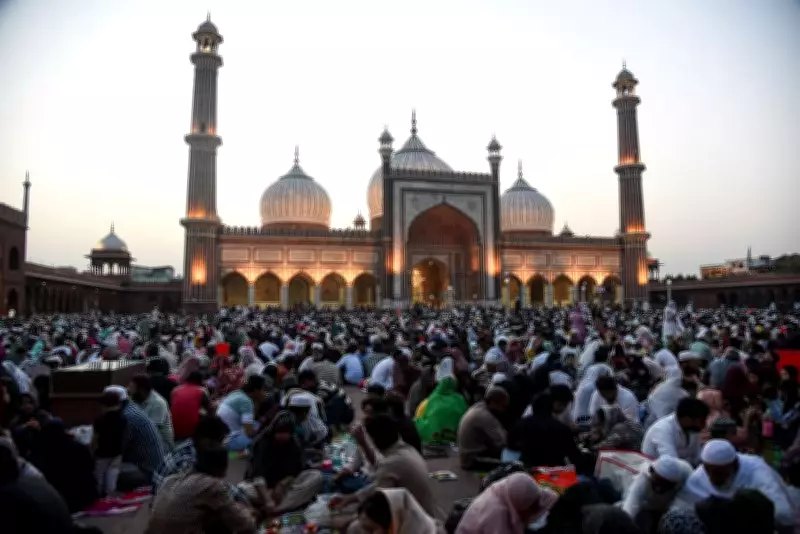
That particular year, Delhi had witnessed a series of unsettling events, with crude bombs exploding at various locations, causing injuries and heightening public anxiety. In response, law enforcement agencies were on high alert, scrutinizing even minor disturbances. Against this tense backdrop, a new Sub-Inspector (SI) assumed charge at the local police chowki near the iconic Jama Masjid. Eager to demonstrate his dedication, he was determined to maintain utmost vigilance, unaware of the unique customs that define Old Delhi during Ramzan.
The Traditional Iftar Announcement
As the sun dipped below the horizon each evening, a time-honored ritual signaled the breaking of the fast. The Imam of Jama Masjid would wave a flag from beneath the southern minaret, visible to a man stationed in the southeastern pavilion overlooking Urdu Bazaar. In the park below, this appointed announcer would then light two small crackers. Their sharp, resonant bursts served as an auditory cue across the neighbourhood, informing residents that it was time to partake in iftar with dates and refreshing sherbet.

A Case of Mistaken Identity
On that fateful evening, the routine commenced as usual. The flag was waved, and the announcer lit the first cracker, which exploded with its characteristic loudness. People began reaching for their meals, anticipating the second signal. However, from the verandah of the police chowki, the new SI heard the explosion and spotted the man crouching over something. Jumping to conclusions in his alert state, he assumed a second "bomb" was about to be detonated.
Acting with lightning speed, the SI dashed across the road, seized the announcer from behind, and pinned him down, triumphantly declaring the arrest of a "culprit." The crowd in the park froze mid-iftar, bewildered by the sudden interruption. Minutes ticked by without the expected second cracker, creating an awkward silence.
Clarification and Embarrassment
Soon, the Imam of Jama Masjid hurried over to the gathering. "Sahib," he said politely, "you have arrested our iftar announcer." The SI, still catching his breath from the sprint, insisted the man had been lighting bombs. Gently, the Imam explained, "Not bombs, crackers. We have used them for many years to announce the breaking of the fast. He lights two every evening."
The truth slowly dawned on the officer. Glancing at the unlit cracker in the announcer's hand and the surrounding crowd, realisation replaced his initial suspicion. Somewhat embarrassed, he released the man and adjusted his belt, his short-lived victory evaporating into the evening air.
Resumption of Tradition
After a brief pause, the announcer struck a match and lit the second cracker, right under the watchful eyes of the police officer. It exploded a few minutes later than usual, but the crowd promptly resumed their meal, the incident adding a touch of levity to the solemn occasion.
A Lesson Learned
The following evening, the SI was again present at the chowki balcony during iftar time. This time, he simply observed as the announcer lit the two crackers in succession. With a quiet nod, he had learned a valuable lesson: in Old Delhi, some explosions herald dinner, not danger, underscoring the importance of understanding local customs in policing.
This insightful account highlights how cultural awareness can bridge gaps between authority and community, turning potential conflicts into moments of shared understanding.