Delhi Queer Pride Parade 2024: A Vibrant Celebration of Identity and Solidarity
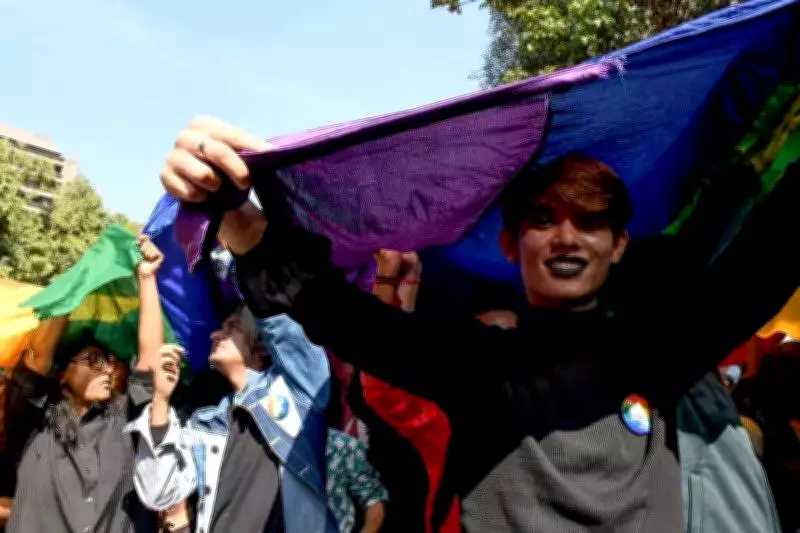
The rhythmic beat of drums announced the arrival of the Delhi Queer Pride parade, echoing through the streets as laughter, rainbow flags, and powerful chants of "azaadi, azaadi" filled the air. What began as a simple march quickly transformed into a profound communal experience—a shared space brimming with joy, courage, and personal expression where strangers walked side by side in solidarity.
A Gathering of Courage and Community on Tolstoy Marg
This vibrant event unfolded on Sunday at Tolstoy Marg in the heart of Delhi, drawing members of the LGBTQ+ community and their allies together in a powerful display of unity. Among the most striking participants was Khushi, who traveled all the way from Kanpur dressed as a fairy, her wings shimmering brilliantly in the sunlight. For Khushi, this marked her very first Pride march, a moment of personal liberation.
"Only my sister knows that I identify with this community," she revealed. "I was not able to tell anyone else because of the social stigma attached to it even today. I want freedom from that." Her heartfelt words poignantly captured the harsh reality faced by many queer individuals from smaller towns, where visibility often comes at a significant personal cost.

Continuity, Belonging, and the Quest for Acceptance
For others, the parade represented continuity and reassurance. Kohi, a student currently studying in London, shared that she last attended the march in 2023. "Now I am back," she said with a smile. "Many of my friends are from the community, and this is the only way we can show support to each other." She emphasized that the march provided an enduring sense of belonging that neither distance nor time could diminish.
The theme of acceptance—or the glaring lack thereof—resonated strongly throughout the gathering. Kohen, a student marching alongside friends, stressed that visibility is frequently misunderstood. "We are not telling people to go out and become LGBTQ+" they clarified. "We are only trying to tell them that they should accept us."
Symbols of Resistance and Celebration
Placards held high bore bold slogans such as "I eat gender norms for breakfast" and "Resist to exist," while a magnificent long rainbow flag flowed through the crowd like a cascading banner of hope. The energy remained electrifying, fueled by lively music and movement. Traditional dhols set a pulsating rhythm as participants danced, sang, and waved flags with unbridled enthusiasm, even breaking into spontaneous bhangra performances in the middle of the road. Some attendees even brought their dogs along, adding to the festive atmosphere.
Reflections on Progress and Future Aspirations
For long-time advocates of the movement, the day evoked memories of a more challenging era. Ronit recalled attending Pride events when many participants felt compelled to hide their identities. "Section 377 was still in force and people feared their true selves would be revealed," he recounted. While the Supreme Court's landmark 2018 ruling decriminalizing homosexuality marked a pivotal legal shift, he noted that social acceptance has been slower to evolve.
"I think we should move towards legalising marriage," asserted Shivam, a student participant. "That is one step that would give everyone greater strength."
Allies and the Spirit of Inclusivity
The parade also attracted numerous allies eager to show their support. An Israeli couple, Maya and her husband, joined the march after stumbling upon it by chance. "We did not know what was happening and came out of curiosity," Maya explained, standing with her child. "But when we understood what it was about, we decided to stay and show our support."
As the march drew to a close, Vidhu, who was distributing badges to supporters, encapsulated the enduring spirit of the day. "I was part of this for four years," Vidhu said. "It is important to keep telling everyone that we also exist."