Delhi Market Shop Sells Phone Covers Featuring Iran's Supreme Leader, Goes Viral Online
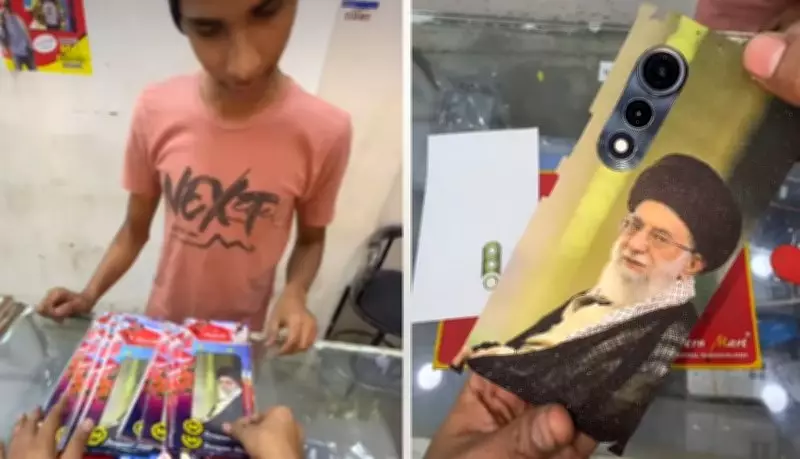
A small shop in Delhi's bustling Lajpat Nagar market has unexpectedly become the center of an online storm after it was discovered selling mobile phone covers adorned with the image of Iran's Supreme Leader, Ayatollah Ali Khamenei. This unusual merchandise has sparked widespread debate and curiosity across social media platforms, drawing attention to the intersection of global politics and local commerce in India's capital.
Unusual Merchandise Sparks Widespread Online Discussion
The phone covers, which feature a prominent portrait of Khamenei, were first brought to public attention through social media posts that quickly went viral. Users on platforms like X (formerly Twitter) and Instagram shared images and videos of the covers, expressing a mix of surprise, amusement, and concern. Many questioned the rationale behind selling such items in India, while others speculated about potential demand or symbolic meanings.
The shop owner has reportedly stated that the covers are part of a broader range of political and celebrity-themed merchandise, catering to diverse customer interests. However, the specific inclusion of Khamenei's image has raised eyebrows, given his role as a controversial global figure and the complex diplomatic relations between India and Iran.

Market Dynamics and Political Symbolism in Local Commerce
Lajpat Nagar market, known for its vibrant array of shops selling everything from clothing to electronics, is no stranger to unique products. Yet, the sale of Khamenei-themed phone covers highlights how global political figures can inadvertently become part of local consumer culture. This incident underscores the unpredictable nature of market trends and the ways in which international politics can permeate everyday life in urban India.
Observers note that such merchandise might appeal to niche groups, including students, activists, or individuals with specific political sympathies, though the actual sales figures remain unclear. The controversy has also prompted discussions about freedom of expression and the limits of commercial ventures in depicting foreign leaders.
Online Reactions Range from Curiosity to Criticism
The online buzz has been characterized by a wide spectrum of reactions:
- Some users found the covers humorous or bizarre, sharing memes and jokes about the unlikely product.
- Others expressed concern over potential diplomatic sensitivities, questioning whether such items could strain India-Iran relations.
- A few defended the shop's right to sell the covers, citing principles of free market and artistic expression.
- Debates also emerged about the commercialization of political icons and its implications for public discourse.
This viral episode has temporarily boosted the shop's visibility, with increased footfall from curious onlookers and potential buyers. However, it has also attracted scrutiny from local authorities and community leaders, who are monitoring the situation for any legal or social ramifications.
Broader Implications for Retail and Political Culture in India
Beyond the immediate controversy, this incident sheds light on broader trends in India's retail sector and political culture. The availability of Khamenei-themed phone covers reflects a growing market for personalized and politicized consumer goods, where global figures can become commodified in unexpected ways. It also raises questions about how such products are regulated and perceived in a diverse society like India's.
As the online debate continues, this story serves as a reminder of the powerful role social media plays in amplifying local events to national and even international audiences. Whether this leads to lasting changes in market practices or remains a fleeting viral moment, it has undoubtedly sparked important conversations about commerce, politics, and cultural exchange in contemporary India.