Divya Kala Mela Artisans Confront Buyer Shortage in Chandigarh Exhibition
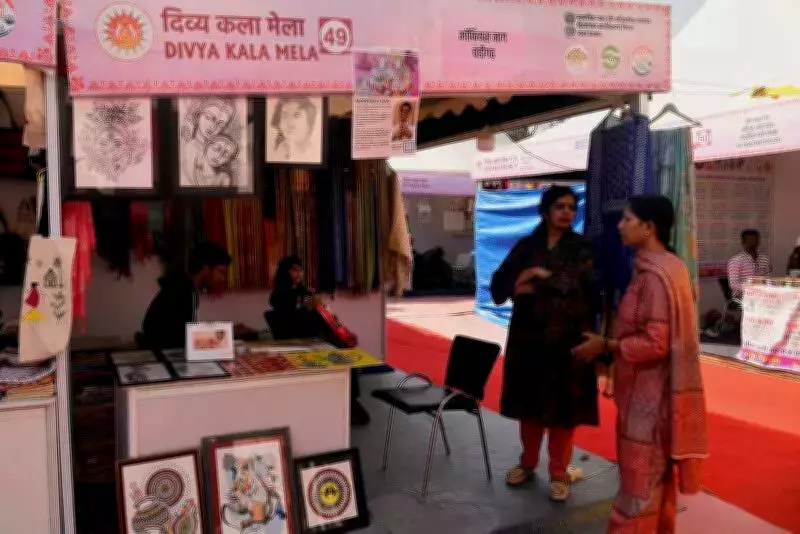
The ongoing Divya Kala Mela in Chandigarh's Sector 34 presents a vibrant display of India's rich handicraft heritage, with rows of meticulously handwoven mats, beautifully painted canvases, intricately carved woodwork, and delicate glass bangles. Each item reflects months, and sometimes years, of dedicated labor by skilled artisans. However, for many of these craftspeople who have traveled significant distances to participate, the greatest challenge is not the creation of their work but finding sufficient buyers to sustain their livelihoods.
Financial Uncertainty Amidst Low Visitor Turnout
This special exhibition brings together artisans with disabilities from diverse regions across India, including Kashmir, Rajasthan, Uttar Pradesh, and Bihar. While accommodation and travel expenses are supported for participants, their earnings depend entirely on sales generated during the event. Many artisans report that daily sales have been substantially lower than anticipated, directly impacting their primary income source from such exhibitions. For creators specializing in handmade goods, unsold products represent not just lost revenue but also wasted time, materials, and considerable effort invested in each piece.
Aadil, who journeyed from Kashmir to participate, acknowledged the mela as an important opportunity for exposure but expressed concern that fewer visitors translate directly to reduced earning potential. Shanti Kumari from Rajasthan suggested that limited publicity might be contributing to the problem, stating, "People don't know the exhibition is here." Ram Niwas, whose family has practiced traditional crafts for generations, described participation as meaningful for cultural preservation but financially uncertain given the current circumstances.

Stories of Resilience and Determination
Despite the commercial challenges, the exhibition showcases remarkable stories of perseverance that define the spirit of the Divya Kala Mela. Eighteen-year-old Morpheus Nag's paintings have attracted particular attention from those who do visit. His mother, Manisha Nag, explained the thoughtful origin of his distinctive name and shared their journey following his autism diagnosis during pre-nursery years. "We asked why us," she recalled. "Then we decided it is better to accept."
Manisha left her job to support her son's therapy and education, which included speech therapy and specialized tutoring. Over time, art emerged as Morpheus's primary means of expression. "After nursery, I noticed he would draw on his own for long hours. He enjoyed it," she noted. His artistic work has since been featured in exhibitions in Bhubaneswar and at the Kutch Contemporary Gallery earlier this year. Currently studying at the Government College of Art, Morpheus continues to create despite pandemic-related setbacks that exacerbated his condition. His mother emphasizes that "the most important thing is acceptance at home."
Diverse Artisans and Their Craft Traditions
Across the exhibition aisle, Yogendra Singh from Firozabad displays exquisite glass bangles crafted using skills passed down through multiple generations. Born with locomotive disability, he mastered the trade and now employs four to five people in his workshop, incorporating metal alongside traditional materials in his creations.
From Betul in Madhya Pradesh, thirty-year-old Shivati weaves durable doormats from coir and wool, a skill she acquired during her school years. Each mat requires approximately three days of careful work. As a polio survivor who recently married, she notes that support from her in-laws remains limited. This marks her first participation in the Divya Kala Mela.
Nearby, thirty-two-year-old Uma Shankar Singh from Bhojpur leads a group of thirty disabled artisans working with locally sourced wood. A polio survivor himself, he describes their workshop as both a livelihood source and a vital community space for craftspeople with disabilities.

Aspirations Versus Reality for Participating Artisans
Many artisans expressed that they joined the mela hoping not merely for commercial success but for increased visibility and dignified recognition of their skills. However, with visitor numbers remaining disappointingly low, the gap between these aspirations and actual outcomes continues to widen. Local visitor Raahat's experience illustrates the publicity challenge, as she entered the exhibition only after noticing the entrance while passing by, with no prior knowledge of the event—a concern echoed by numerous stall holders throughout the venue.
For now, these dedicated artisans continue to wait patiently, carefully arranging their displays, sharing their personal stories with interested visitors, and hoping that more people will walk through the gates before the exhibition concludes. Their perseverance in the face of commercial uncertainty highlights both the challenges and the enduring spirit of India's artisan community with disabilities.