A thought-provoking session in Lucknow has urged a paradigm shift in how we perceive India's great epics, suggesting they be viewed as dynamic faith-based literature rather than unchangeable historical records.
Beyond Historical Rigidity: The Concept of Historiology
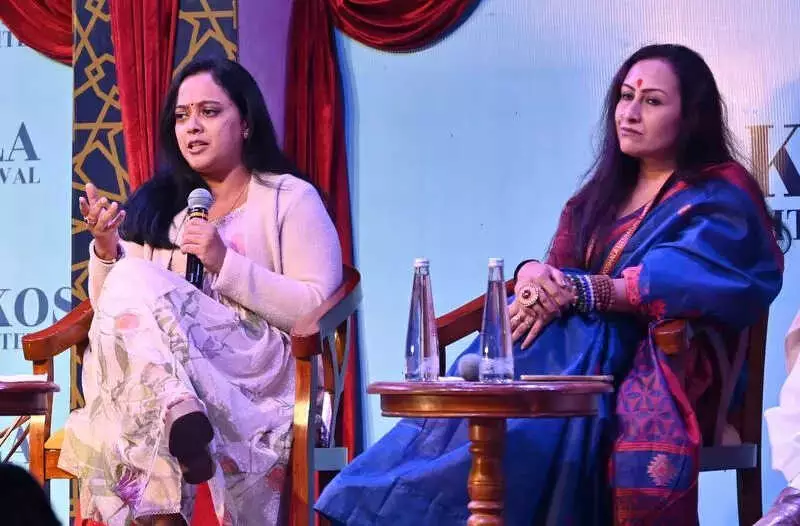
The key message was delivered at the session titled 'Other Side of Epic: Women Who Endured, Women Who Defied'. Author and speaker Alka Pande presented a compelling argument, stating that there is a notable absence of dated archaeological proof for the timelines traditionally associated with the Ramayana and Mahabharata.
She introduced the audience to the concept of historiology, explaining that these sacred stories are not monolithic. Instead, they exist in hundreds of regional and international versions, each adding layers of meaning and interpretation over centuries.

To illustrate the diversity within devotional traditions, Pande recounted the poignant tale of Hanuman discarding his own version of the Ramayana, a story that underscores the idea that there is no single, authoritative narrative.
Epics as Living, Breathing Entities
Echoing this sentiment of fluidity, author Anuja Chandramouli described the epics as living entities. She emphasized that they are open to new readings and contemporary interpretations, allowing them to remain relevant to every generation.
Author Koral Dasgupta provided further insight into this evolutionary process. She spoke about the significant change in the way society reads and understands these ancient texts. The journey, according to her, has moved from rigid, literal interpretations to more balanced and nuanced ones that appreciate the deeper philosophical and ethical questions they raise.
A New Lens on Timeless Stories
The collective discourse from the session champions a more inclusive and flexible approach to India's epic literature. By moving away from the quest for historical verification and embracing their nature as evolving narratives of faith, readers can discover a richer, more diverse tapestry of meanings.
This perspective not only liberates the texts from rigid confines but also empowers new voices, particularly the often-overlooked perspectives of women characters who endured and defied societal norms, to be heard and re-examined in a modern context.