Beyond Attire: The Essential Pre-Wedding Rituals for Luck and Harmony in India
When preparing for a wedding in India, the process extends far beyond simply purchasing clothes and jewelry. It involves a series of thoughtful rituals and customs that are deeply rooted in cultural beliefs, aimed at bringing good luck to the couple and facilitating their smooth transition into married life. These traditions are not just symbolic; they are considered vital for ensuring harmony, prosperity, and divine blessings throughout the wedding and beyond.
The Significance of Supari in Wedding Preparations
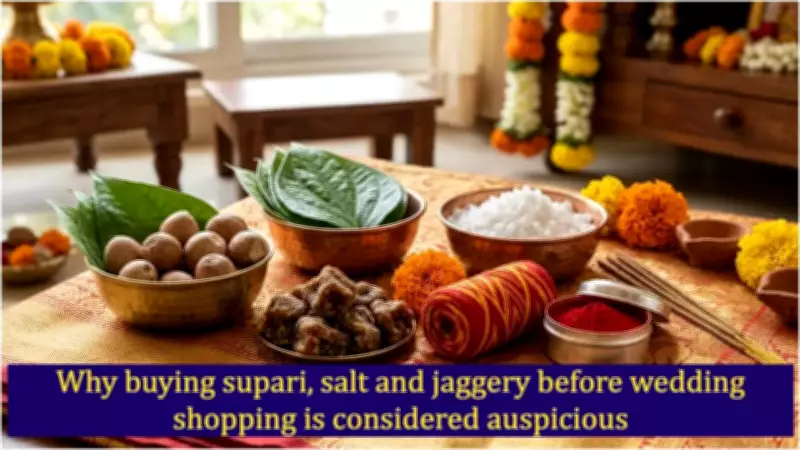
One of the first items often acquired is betel nuts, commonly known as supari. In Hindu tradition, supari is offered to Lord Ganesha, the deity revered for removing obstacles and providing guidance during challenging times. By presenting supari, families seek Ganesha's blessings to ensure that the wedding ceremony proceeds without hindrances and that the couple's future is filled with success and happiness. This ritual underscores the spiritual dimension of wedding planning, emphasizing the importance of divine intervention in marital bliss.
Salt: A Purifying Element for Positive Energy
Following the acquisition of supari, many families prioritize obtaining salt. Across various cultures, salt is believed to possess the ability to absorb and neutralize negative energy. In the context of weddings, purchasing salt before the event is thought to purify the atmosphere, making the celebrations more joyful, equitable, and free from discord. This practice highlights the desire to create a positive environment that fosters unity and enjoyment among all attendees.

Jaggery: Symbolizing Sweetness in Relationships
Another crucial item is gur or jaggery, a natural sweetener that holds profound symbolic meaning. Jaggery represents harmony and sweetness in relationships, reflecting the hope for a loving and affectionate marriage. It is believed that buying jaggery early in the wedding preparations sets the tone for a union characterized by mutual respect, joy, and enduring affection. This tradition emphasizes the emotional and relational aspects of marriage, beyond the material preparations.
Kalava: The Holy Thread for Spiritual Protection
Some traditions advise purchasing a kalava, a sacred thread, before embarking on wedding shopping. The kalava is often tied during religious ceremonies as a symbol of spiritual protection and strength. In the context of weddings, it is thought to fortify the bond between the couple, invoking divine blessings to safeguard their relationship from adversities. This ritual reinforces the idea that marriage is not just a social contract but a spiritual journey requiring divine support.
Kumkum: Enhancing Blessings and Prosperity
Kumkum or roli is also considered highly significant in pre-wedding rituals. Used in numerous Hindu ceremonies, kumkum is applied as a tilak on the forehead, symbolizing respect, good fortune, and auspiciousness. Acquiring kumkum before the wedding is believed to enhance the couple's relationship and usher in a prosperous new phase of life. This practice underscores the cultural emphasis on invoking blessings for a harmonious and successful marital journey.
In summary, Indian wedding preparations are enriched by these essential rituals—supari, salt, jaggery, kalava, and kumkum—each contributing to a holistic approach that blends spiritual, emotional, and cultural elements. These customs not only aim to bring good luck but also to foster a deep sense of connection and well-being for the couple as they embark on their new life together.