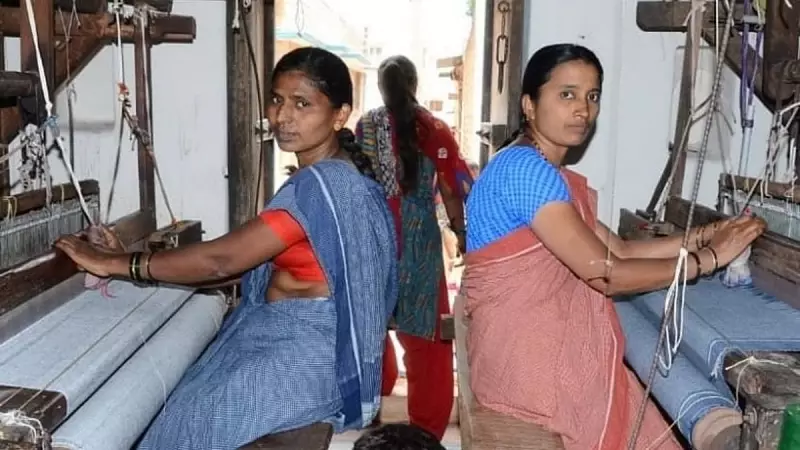
The rich tapestry of Karnataka's cultural history is vividly coloured by its ancient textile traditions. A deep dive into this heritage reveals a sustainable art form where colour was sourced not from synthetic chemicals, but directly from the bounty of nature.
The Botanical Palette of Ancient Dyers
Long before the advent of industrial manufacturing, artisans across the region mastered the use of local flora for dyeing fabrics. Plants such as indigo, madder, turmeric, safflower, and lodhra were recognised for their exceptional dyeing properties during ancient times. Each plant yielded a distinct and lasting hue, creating a natural colour spectrum that defined the region's aesthetic.
Indigo, derived from the Indigofera tinctoria plant, provided deep, resonant blues. Madder roots lent fabrics a range of reds, from subtle pink to a rich, earthy scarlet. The ubiquitous turmeric offered brilliant yellows and golds, while safflower petals could produce both vibrant yellows and delicate pinks. Lodhra, a less commonly known tree bark, was used for its tan and brown shades. This knowledge, passed down through generations, formed the backbone of a sophisticated and eco-friendly textile industry.

A Legacy Woven into Culture
This practice was far more than a technical process; it was an integral part of Karnataka's socio-cultural and economic fabric. The use of natural dyes was intertwined with local rituals, trade, and daily life. The techniques ensured that textiles were not only beautiful but also often had medicinal or protective qualities attributed to them. The sustainability of this method, relying on renewable plant resources, stands in stark contrast to modern industrial dyeing, offering timeless lessons in environmental harmony.
Preservation and Modern Relevance
Today, this aspect of Karnataka's textile heritage is experiencing a renewed interest. As global attention shifts towards sustainable and slow fashion, the ancient wisdom of using natural dyes is being revisited by designers, conservationists, and craft communities. Efforts are underway to document fading techniques, revive heirloom practices, and educate new generations of weavers and dyers.
The revival is not merely about nostalgia; it's a practical response to the ecological damage caused by synthetic dyes. By looking back at this natural dye tradition, Karnataka is helping to weave a greener future for the textile industry. The story of these plants—indigo, madder, turmeric, safflower, and lodhra—is a powerful reminder that some of the most advanced and beautiful technologies are those that work in partnership with nature.