Bihar's Ancient Faruwahi Dance Tradition Nears Extinction in Modern Era
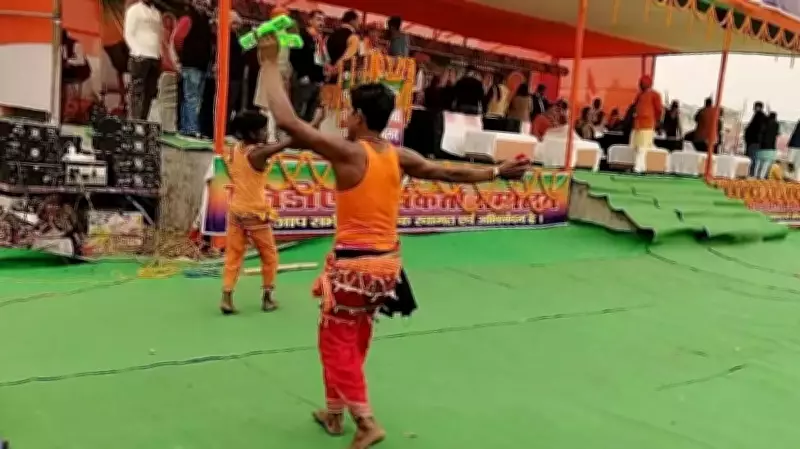
The vibrant and physically demanding Faruwahi folk dance, once a cornerstone of cultural identity in West Champaran and the broader Bhojpuri-speaking region of Bihar, is now teetering on the edge of oblivion. This centuries-old tradition, characterized by its rhythmic full-body movements synchronized to traditional instruments like the dholak, nagada, and cymbals, is rapidly losing ground to modern entertainment and evolving social habits.
From Cultural Staple to Marginalized Art Form
Veteran folk artists nostalgically recall a time when Faruwahi troupes were in high demand, traveling from village to village, especially during wedding celebrations where performances would captivate audiences throughout the night. The dance's energy and intensity once drew enthusiastic crowds, making it a central feature of community life.
However, the landscape has dramatically shifted. Dahadi Sah, a Faruwahi organizer from Khothawa village in West Champaran's Madhubani block, paints a stark picture of decline. "A decade ago, we had 20 to 22 Faruwahi teams operating across the district. Today, barely three to four remain active," he laments. "When orchestras and other modern entertainment options were scarce, we received advance bookings and were in great demand. Now, we're lucky to get five or six bookings a year."

The Impact of Modern Technology and Changing Preferences
Shrikant, a member of a Faruwahi troupe, attributes the decline directly to technological advancements and shifting entertainment preferences. "The growing influence of television, smartphones, cinema, and digital platforms has significantly reduced public interest in traditional folk performances," he explains. "Easily accessible modern entertainment has not only replaced traditional art forms but has also led to declining respect and financial support for dances like Faruwahi."
The consequences have been severe for folk artists. Many have been forced to abandon their art due to worsening economic conditions, while younger generations show little interest in learning or promoting the tradition. Although new theatre groups have emerged in urban areas, they predominantly focus on modern theatre, further marginalizing traditional folk arts.
Cultural Identity at Stake and Calls for Preservation
Pandit Bharat Upadhyay, a retired teacher, emphasizes that Faruwahi represents more than just dance—it embodies the collective memory and identity of rural West Champaran. "Preserving this folk tradition would not only revive artists' livelihoods but also reconnect future generations with their cultural roots," he asserts. "The responsibility now rests with both society and the government to protect and promote this endangered art form, ensuring that the powerful rhythms of Faruwahi may once again echo through village nights."
Upadhyay issues a dire warning: without immediate and concrete intervention, Faruwahi will survive only in historical records and the fading memories of elderly artists. He stresses the urgent need for government action through financial assistance, establishment of dedicated training centers, and integration of folk arts into educational curricula at schools and colleges.
The survival of Faruwahi hangs in the balance as West Champaran grapples with preserving its cultural heritage against the relentless tide of modernization.