Madurai's Gandhi Memorial Museum Prepares for Grand Reopening in May
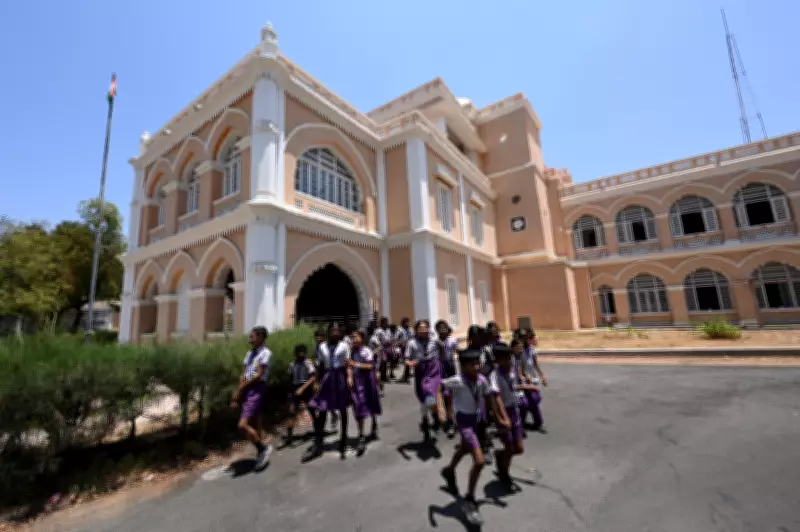
The Gandhi Memorial Museum in Madurai, a site of profound historical significance, is poised to reopen its doors to the public in the first week of May following an extensive renovation project. This museum, originally established in 1959, stands as one of five dedicated to Mahatma Gandhi and was later declared a Peace Museum by the United Nations. It holds a poignant collection, including the blood-stained clothes Gandhi wore on the fateful day of his assassination, serving as a powerful reminder of his life and the struggle for India's freedom.
Renovation Details and Historical Background
Chief Minister M K Stalin announced the renovation in 2022 during his Independence Day address, with the heritage wing of the public works department overseeing the project. The work, carried out at a cost of ₹10 crore, focuses on restoring two wings of the museum that will house memorials to Gandhi and India's freedom struggle. These renovations are nearly complete, aiming to bring the heritage site back to its former glory.
The building itself has a rich history, originally constructed around 1670 AD as the Tamukkam Palace, which belonged to Rani Mangammal of the Nayak Dynasty. For many years, it served as the official residence of the British collector in Madurai. In 1955, the state government gifted the palace, along with approximately 13 acres of land, to the All India Gandhi Smarak Nidhi to establish the museum.

New Features and Interactive Displays
The renovated wings will feature two separate audio-visual rooms and four galleries, all equipped with interactive digital displays. A tour guide will be available to explain the history behind the items on display, including a special video titled "Gandhi in Madurai." K R Nanda Rao, the museum secretary, emphasized that material is being sourced from across India to enhance the exhibits. "People planning to visit in the summer will not be disappointed," he assured.
Entry to the museum and the adjacent summer palace remains free, making it accessible to all visitors. This initiative not only preserves a key piece of India's heritage but also educates future generations about Gandhi's legacy and the broader freedom movement.