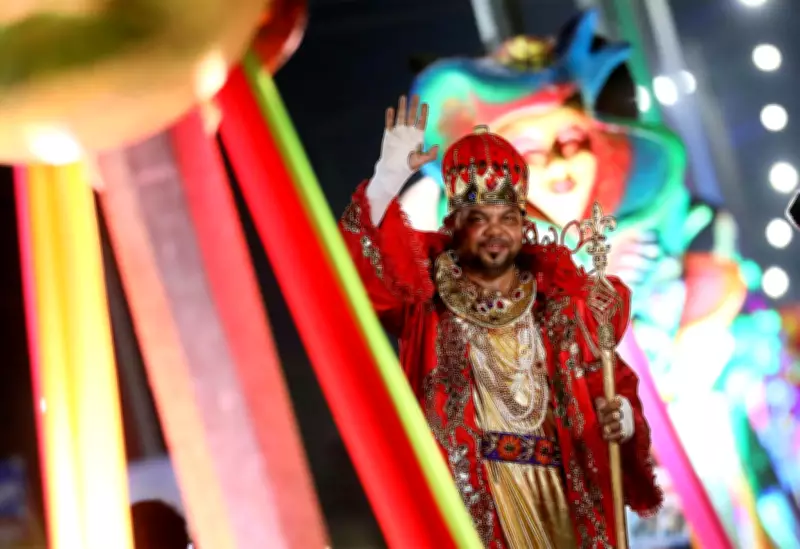
Goa Carnival Kicks Off with Nostalgic Flair in Porvorim
The curtain raiser for the Goa Carnival commenced in Porvorim on Friday, embracing a return to yesteryears with bullock carts replacing fuel-powered vehicles and live musical instruments taking the place of loudspeakers. This deliberate shift aimed to recapture the essence of traditional celebrations, as highlighted by Tourism Minister Rohan Khaunte.
Minister Emphasizes Heritage and Harmony
Inaugurating the event near the Art Park in his constituency, Minister Khaunte raised the slogan "Viva Carnival" and explained the rationale behind the nostalgic approach. "Back in the day, King Momo would arrive in a bullock cart. Similarly, today we ensured that we got those nostalgic moments back and celebrated the Carnival in the old manner. As a result, there are no fuel-powered vehicles, generators, and big sound systems," he stated.
Khaunte further emphasized the festival's significance, noting, "Carnival is one of the most important festivals of Goa, celebrated even after Goa’s Liberation. It calls for communal harmony, and people from every part of the state celebrate it in different forms. We have international and domestic tourists who come especially for the Goa Carnival. It is a part of Catholic tradition that all of us celebrate together in communal harmony. Viva Carnival!"

Special Features and Participant Experiences
This edition's King Momo, Cedric da Costa, who arrived on Friday, remarked that the curtain raiser was unique because the entire road was designated as a no-motor zone. Participants added to the festive atmosphere by dressing up as villagers, pop culture icons, and cartoon characters.
Among the popular attractions was a replica of a KTC bus, which allowed visitors to board and engage with the nostalgic setup. MLA Delilah Lobo shared her appreciation, saying, "The curtain raiser did not have a single commercial float and was reminiscent of the Carnival I witnessed growing up."
The event successfully blended tradition with celebration, fostering a sense of community and heritage. By avoiding modern conveniences like fuel-powered vehicles and loudspeakers, the organizers aimed to create an authentic experience that resonated with both locals and tourists, highlighting Goa's rich cultural tapestry.