Valentine's Day in India: A Solo Revolution Redefining Love and Celebration
Across India, a quiet revolution is unfolding as Valentine's Day, once dominated by candlelit couple rituals, is being reshaped by singles embracing self-dates and solo celebrations. This cultural shift marks a departure from traditional romantic expectations, with individuals increasingly finding meaning in their own company rather than seeking companionship for the occasion.
The Rise of Solo Celebrations: From Awkwardness to Empowerment
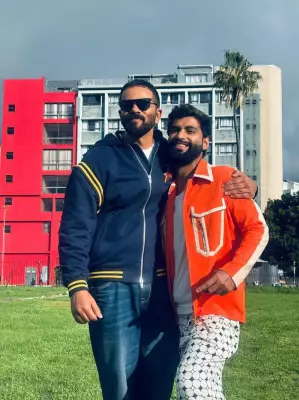
For many young Indians, Valentine's Day is no longer about asking someone out or adhering to societal pressures. Bhargav Yeragi, a 26-year-old data scientist, exemplifies this trend, currently traveling solo across the country on his motorcycle. "Earlier, Valentine's Day meant asking someone out. This time, it's different. I don't feel the need to ask someone out or give in to the expectation of doing something special on Valentine's Day," he explains.
Dimpy Singh, a 23-year-old content creator, shares a similar journey, noting that solo celebrations have evolved from an awkward experience after being stood up into a habit of solo dates, trips, and watching films alone. "I enjoy celebrating such days on my own because I've grown comfortable and happy in my own company since being single. Being alone gives me the freedom and space to understand myself better," she says.

Psychological Insights: Expanding Definitions of Love and Balance
Sonali Mangal, a psychologist, observes that this shift reflects a broader redefinition of love itself, particularly among Gen Z. "Gen Z is expanding the definition of love beyond romantic relationships. It now includes friends, siblings, family, and also yourself," she states. Solo celebrations are less about detachment and more about self-exploration, emphasizing that acknowledging oneself as an individual does not diminish love for others.
However, Dr. Swetha Agarwal, another psychologist, adds a note of balance, cautioning against total isolation. "Emotional independence is healthy to a level, but not as a permanent state. At some stage, we all need emotional attachment—whether that comes from a partner, a friend, or family," she explains, highlighting the importance of maintaining connections alongside self-love.
Brands Capitalize on the 'Me' Economy: Adapting to Solo Trends
Recognizing this cultural shift, brands are increasingly targeting solo consumers during Valentine's Day. Key campaigns include:
- Cadbury 5 Star ran Valentine's campaigns like the 'Alibi' island for singles and sponsored dates for couples, later pranking them to position opting out of traditional celebrations as an alternative.
- Faasos continued its Date A Wrap campaign in its fifth edition, highlighting independence and presenting wraps as an option for singles and informal plans.
- Blinkit introduced a Single Mode toggle in 2026 during Valentine's, allowing users to switch modes and acknowledge solo consumers.
- PepsiCo India (Pepsi) launched Swag Se Solo in 2020 featuring actor Salman Khan, framing singlehood as a confident choice.
Personal Stories: From Loneliness to Intentional Self-Love
Subhiksha Raman, a 26-year-old author and junior art director, shares her experience: "I often spend Valentine's Day alone. What I do depends on my mood. I enjoy creative workshops and spending time on my hobbies. While social media did influence me initially, solo outings have become more intentional over time. What once felt like loneliness has now become something I've learned to enjoy. Going out alone helps me feel connected to myself and others, and practising self-love this way feels more meaningful."
Shital Bhuta, an educator in her late 40s, adds: "I celebrate Valentine's Day solo or with a friend. The first time I went out alone, I indulged myself and it boosted my confidence. It's important to enjoy your own company, without worrying about how others perceive you."
Data and Trends: Quantifying the Shift Towards Self-Love
Recent studies and reports underscore the growing prominence of solo-centric Valentine's Day celebrations in India:

- According to a report by creator platform Qoruz, 37% of all Valentine's Day posts in India now centre on 'Singles and Self-Love', outperforming traditional couple-centric content at 35%.
- Bumble's 2024 study on 'betterment burnout' found that 86% of Indian women surveyed are choosing to be happier with who they are in the present rather than constantly striving to self-optimize for dating.
- A 2026 consumer study by Hansa Research revealed that 40% of people associate Valentine's Day with self-love and self-care.
- On District by Zomato, over 30,000 restaurants now offer the 'Table for One' feature, launched in October 2025 after user feedback about solo dining reservations.
- The Tinder Year in Swipe 2025 report notes that singles are embracing clarity, emotional honesty, and low-pressure connections, redefining romance on their own terms.
Observations and Activities: How Singles Are Marking the Day
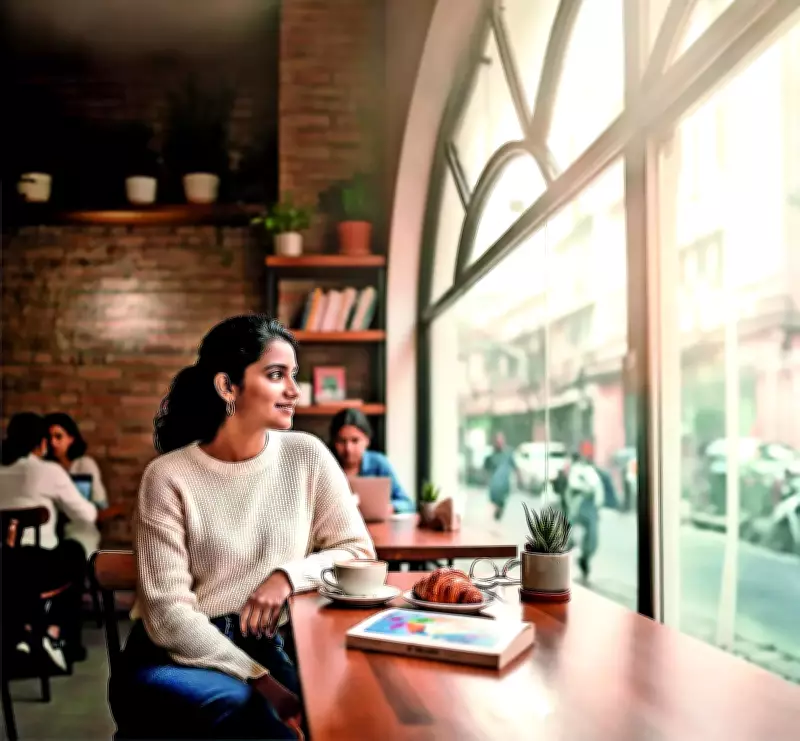
Solo trips and independent café outings are increasingly observed around Valentine's Day, with individuals choosing to spend time on their own. Creative activities and self-gifting are also popular ways singles mark the occasion, using it as an opportunity to treat themselves and engage in personal pursuits.
This cultural evolution highlights a significant shift in how love and celebration are perceived in India, moving beyond couple-centric norms to embrace self-love and individuality as equally valid and meaningful expressions.