Goa's Distinct Lavani Tradition: A Devotional Folk Legacy
While Lavani is widely recognized as a vibrant traditional dance form from Maharashtra, typically performed by female artists in sarees to the rhythmic beats of the dholki, Goa boasts its own unique version of this art. In the coastal state, Lavani transforms into a series of musical hymns that beautifully adorn the annual Shigmo festival, creating a deeply spiritual and cultural experience.
Historical Roots and Performance Rituals
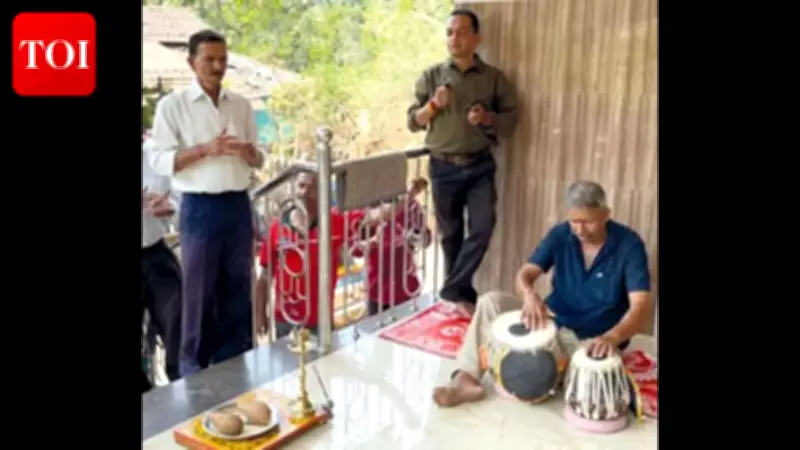
Every year, during the Shigmo celebrations in the Poriem, Sankhali, and Karapur regions of Goa, folk artists gather to perform these devotional songs. Accompanied by the resonant sounds of the Pakhawaj, a barrel-shaped two-headed wooden drum, and the Kasale, traditional cymbals, they sing compositions that date back over a century. These songs were originally penned by Gondaji Naik from Vithalapur, Karapur, preserving a rich oral heritage.
Pankaj Mandrekar from Tulshimala, Poriem, shared insights with TOI, stating, "Annually, starting from the third day of the Holi festival, we perform the Lavani at the Bhumka temple. Following tradition, we then visit homes from Poriem to Sankhali, presenting our songs. In return, we receive offerings of coconut, rice, and other eatables, known as Tali. This practice has been upheld by our forefathers for generations, and now we continue this legacy."

Themes and Cultural Significance
The Goan Lavani songs serve multiple purposes beyond mere entertainment. They are deeply devotional, praising the presiding deity of Bhumka, Vithal, while also narrating historical events. One prominent theme recounts the brave and heroic deeds of Rane, who engaged in battles against the Dhawad community in forested areas. After a treacherous conflict, Rane established rule over 130 villages in Sattari, a tale immortalized in these folk melodies.
Additionally, the songs draw inspiration from mythological stories and epics such as the Ramayana and Mahabharata, emphasizing timeless human values and morality. This blend of history, mythology, and devotion makes Goan Lavani a multifaceted cultural treasure.
Goddess Bhumka and Community Integration
Goddess Bhumka, also known as Saptashati Bhumka, is revered as the presiding deity of Sankhali town. Historically, Sankhali was connected via the Valvanti River's waterways to Chorlaghat, Kelghat, and Ramghat, facilitating trade and commerce. This strategic location attracted various communities from Ponda, Pernem, Konkan, and other regions, who settled in Sankhali.
During the Shigmo festival, these diverse communities come together through Lavani performances to express their gratitude to Bhumka and Vithal. This folk art not only preserves cultural memory but also fosters unity and shared identity among residents, highlighting the festival's role in strengthening social bonds.
In essence, Goan Lavani is more than just a musical performance; it is a living tradition that connects past and present, spirituality and community, making it an integral part of Goa's cultural landscape during Shigmo.