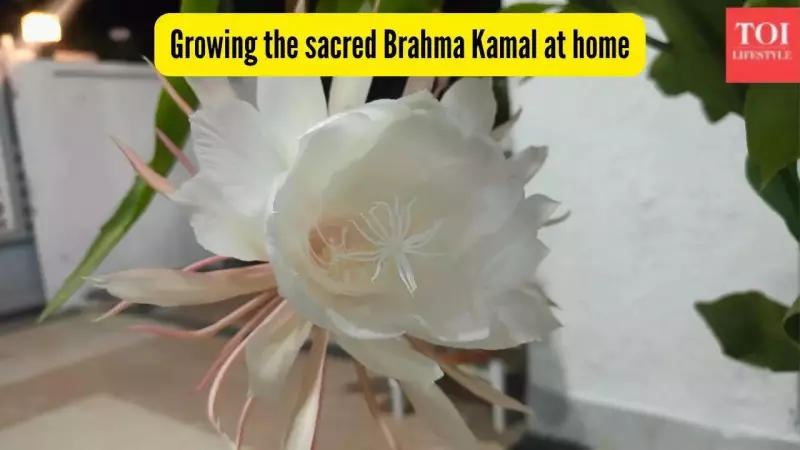
For centuries, the elusive Brahma Kamal, or Saussurea obvallata, has captivated hearts and minds across the Himalayan belt. Revered as one of the most sacred flowers in Indian culture, this nocturnal bloomer is not just a botanical wonder but a symbol of divine blessings. While adventure enthusiasts trek to Uttarakhand's Valley of Flowers for a glimpse, many wonder if this mystical plant can be nurtured in an urban home. The answer is a hopeful yes, but it demands dedication and an understanding of its unique needs.
The Mythic Allure and Rarity of Brahma Kamal
Native to the high altitudes of the Himalayas in India, Nepal, Bhutan, and Southwest China, the Brahma Kamal is a resilient flowering herb. It thrives in thin air and cool climates, its cup-shaped blossoms often hidden within protective bracts. The flower's magic lies in its ephemeral nature: it blooms only at night, filling the air with a heavenly fragrance, and withers by morning. This rarity has cemented its status as the State Flower of Uttarakhand, and it even graces Indian postal stamps.
In Hindu mythology, the flower is intimately linked to Lord Brahma, the creator. According to Vastu Shastra, it is considered highly auspicious. Vastu expert Surya Tamang from Dehradun emphasises that placing the plant in specific areas like the home's centre (Brahmasthan) or the northeast (Ishan Kona) can attract prosperity, fortune, and harmony. Witnessing its bloom is traditionally believed to bring luck and divine blessings.

A Step-by-Step Guide to Growing Brahma Kamal at Home
Successfully cultivating Brahma Kamal outside its natural habitat is challenging but not impossible. It requires replicating the cool, high-altitude conditions it loves. Unlike typical houseplants, it will not survive hot, humid environments. Here is a detailed guide to creating the ideal setting for this sacred plant.
Creating the Perfect Environment
The primary challenge is temperature control. The plant thrives in cool, low-temperature conditions. An air-conditioned room or a consistently cool, shaded spot like a north-facing balcony is essential, especially during Indian summers.
Soil composition is critical to prevent root rot. You need a well-draining soil mix—a perfect blend of garden soil, coarse sand, and cocopeat. Ensure the pot has excellent drainage holes, as the plant cannot tolerate standing water.
Care and Maintenance Essentials
Lighting should be bright but indirect. Harsh, direct midday sun can scorch and yellow the leaves. When it comes to watering, moderation is key. Water only when the soil is completely dry to the touch, and be vigilant against overwatering, which is a common cause of failure.
For propagation, the most practical method for home gardeners is using leaf cuttings, as growing from seed is exceptionally slow. Allow the cut end of the leaf to callus over for a couple of days before planting it in the prepared soil mix. Place the pot in an area with ample indirect light.
Patience, Challenges, and Spiritual Rewards
Growing Brahma Kamal is a test of patience. The growth rate is not rapid, and the first bloom can take several years. Key challenges include maintaining a consistently cool temperature and avoiding frequent repotting or poor watering habits that disrupt its delicate growth cycle.
The rewards, however, extend beyond horticultural achievement. Having a Brahma Kamal at home is said to promote a profound sense of peace and emotional calm. It is believed to cleanse the home's energy, fostering positive feelings and optimism. The very act of nurturing this rare, sacred blossom can be a spiritually and mentally fulfilling journey.
So, while it demands careful attention and a controlled environment, bringing a piece of the Himalayan mystique to your balcony or cool indoor space is possible. With the right conditions and respectful care, you can cultivate not just a plant, but a living symbol of luck and serenity.