Gujarat Village's Community Kitchen Fights Elder Loneliness with Daily Meals
Indian culture has long been celebrated for its profound sense of togetherness, warmth, and the deep human connections that form the fabric of our society. However, in today's fast-paced world, these cherished values often seem to be fading away as daily life accelerates. Despite this trend, remarkable stories emerge where communities find innovative ways to care for one another, even amidst their busy schedules.
Silent Kitchens, Big Hearts: The Story of Chandaki Village
In the quiet village of Chandaki, located in Gujarat, a unique transformation has taken place. The village, which once boasted a population of over 1,000 residents, now has only about 500 elders remaining. This demographic shift occurred as younger generations migrated to urban centers like Ahmedabad in search of better opportunities. As a result, many homes saw their kitchens fall silent, with daily cooking becoming a significant challenge due to the lack of nearby shops and a 3-kilometer walk required for basic groceries. This situation led to increasing loneliness and empty homes, creating a pressing need for a solution.
How the Community Kitchen Came to Be
The initiative began 14–15 years ago under the leadership of Sarpanch Poonambhai Patel, who returned to Chandaki after spending two decades in New York. Recognizing the struggles faced by the elderly residents, he spearheaded a community effort to establish a central kitchen. Villagers collectively contributed to set up this facility, which now operates efficiently to serve the community.

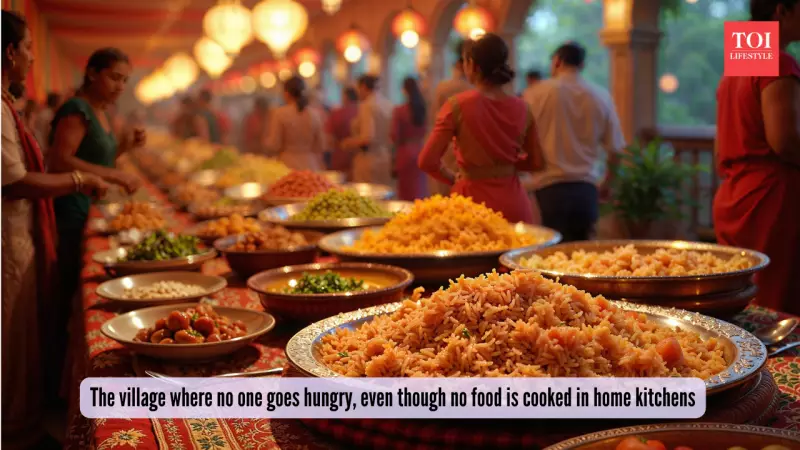
For a modest monthly fee of Rs 2,000–2,500, every participant receives two wholesome Gujarati meals daily. The menu typically includes nutritious staples such as dal, rice, roti, vegetables, and occasional sweets. To ensure variety and quality, the community hired professional cooks who prepare a range of tasty and healthy dishes. The dining hall itself is equipped with modern amenities, including solar power and air conditioning, and can accommodate approximately 35–40 people at a time.
Fighting Loneliness Together Through Shared Meals
This community kitchen serves a purpose far beyond mere nutrition. It has become a daily gathering spot that fosters social interaction and combats isolation among the elders. By encouraging them to leave their homes for meals, the initiative fills the air with lively chatter and laughter, replacing solitary dining or skipped meals with a sense of belonging. Sarpanch Poonambhai Patel explained to Village Square, "We started this kitchen because the elders here were cooking only once a day… and that's not good for their health."
The benefits extend to improved health outcomes and peace of mind for families. Children living abroad can rest assured knowing their parents are not only eating well but also engaging socially with peers. The kitchen emphasizes traditional Gujarati dishes like dhokla, khichdi, and bhakri, which are both nutritious and satisfying, catering to local tastes while promoting wellness.
A Model for the World: Inspiration and Impact
Chandaki's community kitchen has become a beacon of hope and inspiration for nearby villages grappling with similar challenges of elder isolation and logistical difficulties. This model demonstrates that significant change doesn't require a massive budget; rather, it thrives on determination, teamwork, and a shared commitment to community welfare. By restoring dignity, reducing stress, and strengthening social bonds, this initiative proves that kindness and compassion can flourish even in our fast-paced modern world, offering a powerful reminder of the enduring values of Indian culture.