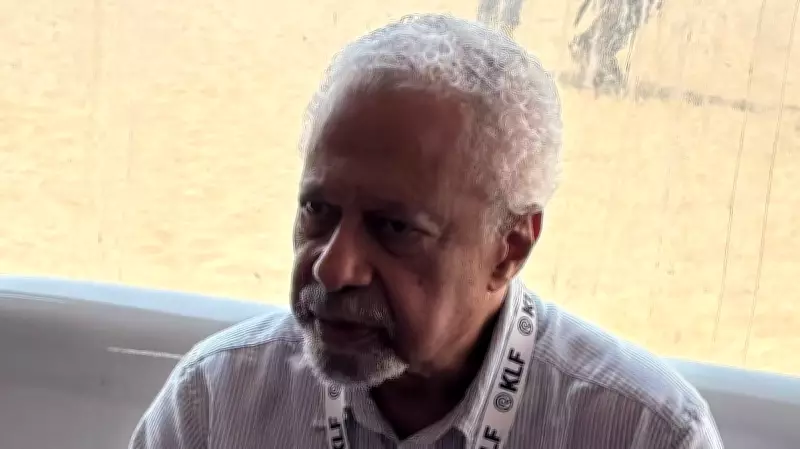
Nobel Laureate Abdulrazak Gurnah Reflects on the Novel as a Bridge Over Silence
In a profound exploration of literary art, Nobel Prize-winning author Abdulrazak Gurnah has articulated the unique capacity of the novel to serve as a bridge over societal silences. His insights, drawn from a career dedicated to chronicling the complexities of migration and identity, highlight how fiction can illuminate the unspoken narratives that shape our world.
The Novel as a Tool for Connection and Understanding
Gurnah emphasizes that novels possess an unparalleled ability to foster empathy and comprehension across cultural divides. He argues that through the intricate weaving of characters and plots, authors can give voice to marginalized experiences, particularly those of migrants and displaced communities. This literary form, he notes, allows readers to engage with perspectives that might otherwise remain hidden or ignored in mainstream discourse.
By delving into themes such as memory, loss, and belonging, Gurnah's own works—including Paradise and Afterlives—exemplify how novels can challenge historical amnesia and confront the legacies of colonialism. His writing often centers on the Indian Ocean region, offering a nuanced portrayal of how global forces impact individual lives.

Addressing Global Issues Through Fiction
In his discussion, Gurnah points out that novels are not merely escapist entertainment but vital instruments for addressing pressing global issues. He observes that in an era marked by increasing migration and cultural clashes, literature provides a space to explore the human dimensions of these phenomena. Through storytelling, authors can critique societal norms, question power structures, and imagine alternative futures.
Gurnah's perspective underscores the role of the novel in promoting dialogue and reconciliation. He believes that by giving form to silences—whether they stem from trauma, oppression, or neglect—fiction can help societies heal and move forward. This aligns with his broader commitment to using art as a means of social commentary and change.
The Enduring Relevance of Literary Art
Reflecting on his Nobel Prize recognition in 2021, Gurnah expresses hope that such accolades will draw attention to the importance of diverse voices in literature. He advocates for a global literary landscape that embraces stories from all corners of the world, arguing that this enriches our collective understanding of humanity.
Ultimately, Gurnah's message is one of optimism: he sees the novel as a resilient and adaptable form that continues to evolve in response to contemporary challenges. By bridging silences, it not only preserves memories but also inspires new ways of thinking about identity, community, and connection in an interconnected world.