Hanuman Jayanti 2026: The Sacred Festival of Lord Hanuman
The vibrant festival of Hanuman Jayanti, also known as Hanuman Janmotsav, is celebrated to mark the birth of Lord Hanuman, the revered deity symbolizing strength, devotion, and loyalty. Observed annually on the Purnima Tithi (full moon day) of the Hindu month of Chaitra, this auspicious occasion in 2026 falls on Thursday, April 2. Devotees across India engage in heartfelt puja rituals, recite the Hanuman Chalisa, perform aarti, and offer bhog at homes and temples to seek blessings and spiritual fulfillment. Many also organize the recitation of the Sundarkand, a significant chapter from the Ramayana, as part of the festivities, enhancing the devotional atmosphere.
Date and Auspicious Timings for Hanuman Jayanti 2026
For those observing Hanuman Jayanti, the key timings are crucial for maximizing spiritual benefits. The festival date is set for Thursday, April 2, aligning with Chaitra Purnima. The best puja time spans from sunrise to the afternoon, allowing devotees ample opportunity to conduct rituals. Additionally, the Abhijit Muhurat, considered highly auspicious, occurs from 11:50 AM to 12:40 PM, providing a perfect window for offering prayers and bhog to Lord Hanuman.
The Enduring Connection Between Lord Hanuman and Laddoos
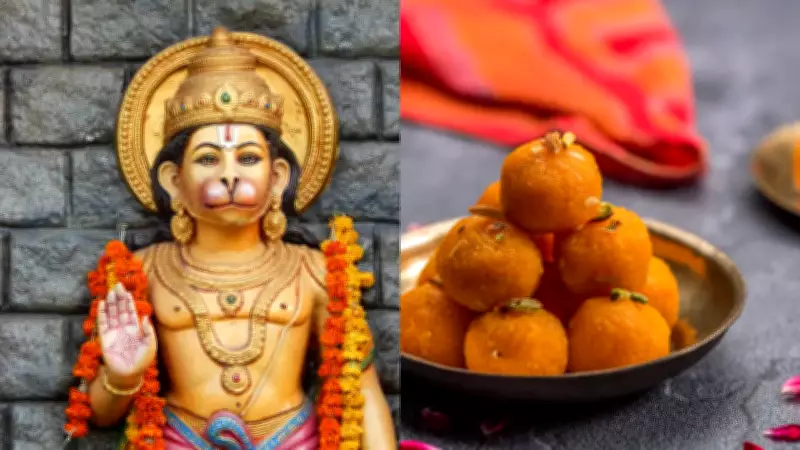
When offering bhog to Lord Hanuman, Motichoor Ladoo and Besan Ladoo are predominantly chosen, with boondi also being a favored option. The association between Hanuman and laddoos stems from rich folklore and mythology, which depict him as a playful, curious, and food-loving figure. A famous tale recounts how he mistook the sun for a fruit and leaped to consume it, illustrating his joyful and inquisitive nature. This imagery has evolved over centuries, with sweets like laddoos becoming integral to folk traditions as symbols of his affection for food.

In numerous Indian temples, boondi and besan laddoos are commonly offered as prasad, reinforcing the belief through ritual practice that these sweets are his favorites. While ancient scriptures do not explicitly state Hanuman's love for laddoos, decades of devotion, temple customs, and storytelling have cemented this tradition. Laddoos are also regarded as emblems of strength and energy, making them a fitting offering to a deity known for his immense power and vitality.
Traditional Foods Offered to Lord Hanuman During Hanuman Jayanti
The bhog presented to Lord Hanuman includes a variety of traditional dishes, each carrying symbolic meanings and spiritual benefits. Here is a detailed look at these offerings:
- Motichoor Laddoo: These bright, sweet balls are crafted from besan boondi, sugar syrup, food coloring, cardamom powder, cucumber seeds, and nuts. They are considered Lord Hanuman's favorite sweet, symbolizing joy and devotion.
- Chana Gud: A mixture of jaggery and roasted chana, this offering is believed to help curb mangal dosha, promoting harmony and warding off malefic planetary influences.
- Whole Spices: Items such as clove, green cardamom, and betel nuts are offered, with the belief that they assist in reducing life's challenges and obstacles, fostering resilience.
- Basil (Tulsi): Holy basil leaves are presented, thought to provide protection against difficult situations and enhance spiritual purity.
- Kesari Bhaat: This sweet dish, made with rice, sugar, saffron, ghee, and nuts, is offered to bring colors of happiness and prosperity into one's life, aligning with festive cheer.
- Imarti: A deep-fried delicacy prepared from urad dal paste, imarti is also regarded as a favorite of Lord Hanuman, adding variety to the bhog.
- Besan Laddoo: Composed of roasted gram flour, sugar, ghee, and cardamom powder, this sweet is a staple in the bhog, emphasizing traditional culinary practices.
- Boondi: Sweet balls made from gram flour and edible color, soaked in sugar syrup, are offered as bhog, completing the array of devotional foods.
These offerings not only honor Lord Hanuman but also reflect the cultural richness and spiritual depth of Hanuman Jayanti celebrations, connecting devotees through shared rituals and beliefs.