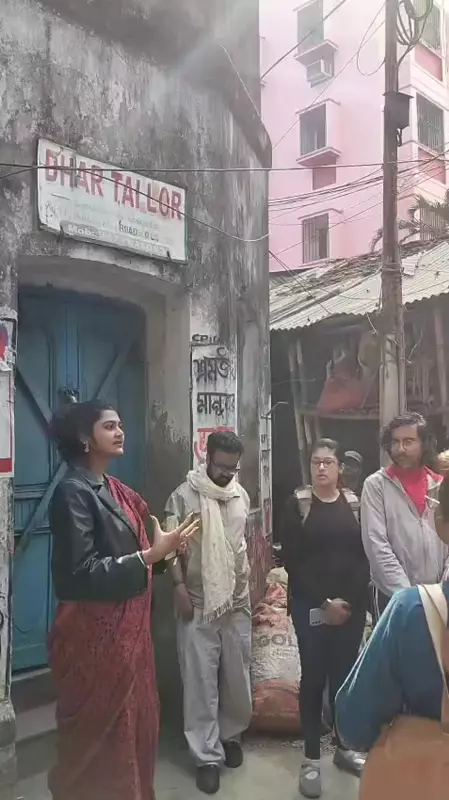
A unique cultural initiative unfolded on the last day of the year, as a heritage walk successfully transformed the urban landscape into a vibrant, open-air museum exhibition. The event, which took place on December 31, 2025, offered participants a novel way to engage with the city's history and artistic heritage.
Blending History with Public Art
Organised under the evocative theme "City as a Museum," the walk moved beyond a traditional historical tour. It aimed to frame the city's streets, architecture, and public spaces as galleries in a vast, living museum. This conceptual approach allowed everyday landmarks to be viewed through the lens of art and curated exhibition, creating a dialogue between the past and the present.
The event was meticulously planned to highlight lesser-known stories and architectural details often overlooked by daily commuters. By recontextualising the urban environment, the organisers provided a fresh perspective on the city's cultural fabric.

A Curated Journey Through Time
While the original announcement was coupled with highlights from various musical performances—such as pieces by Rekha Bhardwaj, Parween Sultana, Devaki Pandit, L. Subramaniam, Kavita Krishnamurti, and others—the core event remained the immersive heritage walk. These musical mentions suggest a broader cultural festival atmosphere, possibly indicating parallel events celebrating Indian artistic talent across genres.
The walk itself served as the main attraction, guiding attendees through a narrative woven into the city's physical space. It emphasised experiential learning and community participation in preserving and appreciating shared heritage.
Impact and Cultural Significance
Events like this heritage walk play a crucial role in fostering public interest in local history and urban conservation. By adopting an innovative format like the "City as a Museum," organisers make cultural education accessible and engaging for a wider audience. It promotes a sense of pride and ownership among residents towards their city's historical legacy.
Such initiatives also support the growing trend of experiential tourism and community-based art projects. They demonstrate how public spaces can be activated for cultural enrichment without the need for formal gallery walls, bringing art and history directly to the people.
The success of the December 31, 2025 event sets a precedent for future cultural programming. It highlights a sustainable model for celebrating heritage, potentially inspiring similar walks in other cities, turning the entire country into a tapestry of discoverable open-air museums.