Rediscovering Lost Holi Traditions: 6 Forgotten Drinks That Faded With Time
Holi represents far more than simply a vibrant festival of colors and delicious culinary treats. This ancient celebration also embodies profound nostalgia and cherished memories passed through generations. When discussing these memories, it becomes essential to examine the forgotten flavors and customs that once defined the festival experience. Beverages and drinks historically held equal importance to Holi foods in traditional celebrations.
In earlier eras, welcoming guests with refreshing sherbet during Holi gatherings represented both cultural custom and genuine warmth. However, rapid urbanization has dramatically transformed our lifestyles, causing numerous traditional flavors to vanish over time or become overshadowed by convenient packaged foods and instant drink alternatives. Today, we embark on a journey back through time to rediscover six forgotten Holi drinks that have largely disappeared from contemporary celebrations.
Phoolon Ki Thandai: The Floral Elixir
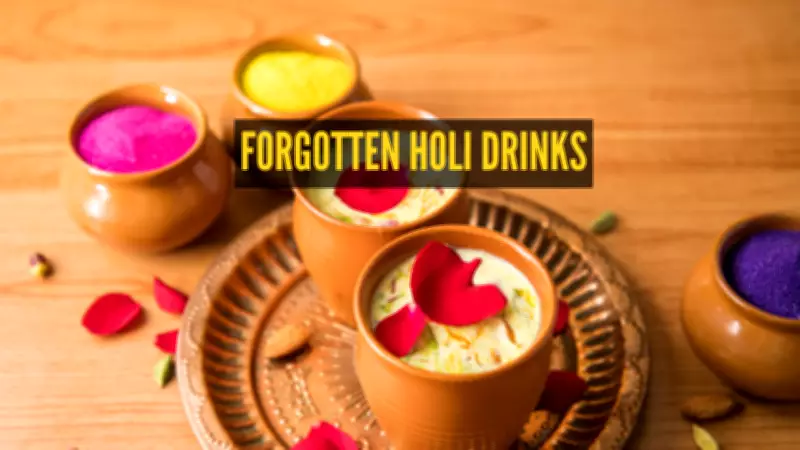
Commonly known as flower-infused thandai, this beverage refers to the classic preparation made with fresh botanical ingredients. Traditional recipes incorporated fragrant rose petals, vibrant palash flower petals, aromatic kewra essence, and crushed black pepper for subtle spice. Palash flowers received overnight soaking to create a natural saffron-orange tint—the identical flower variety traditionally used for crafting authentic Holi colors. Unfortunately, artificial colorants have now replaced this exquisite floral version across most regions.

Gur Ki Kanji: The Fermented Tradition
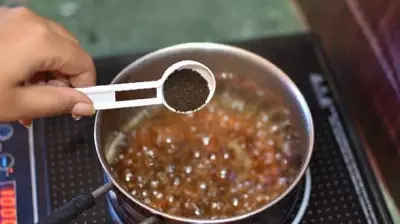
This preparation was alternatively called jaggery-fermented kanji and originated primarily in Punjab and Haryana regions. Representing an older kanji variation that extended beyond simple black carrot and mustard combinations, this version incorporated jaggery (gur) to facilitate fermentation, along with dried red chilies and occasionally roasted barley grains. The resulting beverage featured mild carbonation, earthy undertones, and slight alcoholic content derived from natural fermentation processes. As refrigeration technology advanced and hygiene concerns reshaped food habits, these slow-fermented homemade drinks experienced significant decline.
Mahua Flower Sherbet: The Tribal Nectar
This represents another largely forgotten sherbet variety. Before mahua became predominantly associated with alcoholic liquor production, tribal communities across Jharkhand and Chhattisgarh crafted a sweet Holi beverage from soaked mahua flowers combined with diluted honey and undergoing mild fermentation. According to regional legends, this preparation contained minimal alcohol content and offered floral notes reminiscent of spring nectar. Subsequent industrial alcohol production methods fundamentally altered mahua utilization patterns, causing this traditional sherbet-style version to gradually fade from popularity.
Tesu Flower Water: The Rural Refreshment
Also recognized as palash drink preparation, this beverage involved soaking tesu flowers in water within rural communities across Bihar and Uttar Pradesh. The infusion received light sweetening with sugar before consumption as a naturally cooling Holi refreshment. This simple yet effective preparation provided hydration during festive celebrations while utilizing locally available botanical resources.
Badam Roghan Milk: The Medicinal Elixir
Historical accounts indicate that within older merchant communities of Varanasi, traditional Holi milk preparations sometimes included several drops of badam roghan—medicinal almond oil—served as a special festive beverage. This formulation was believed to prevent heatstroke and aid digestion following consumption of rich Holi sweets. Presently, this preparation survives primarily within Unani and Ayurvedic medicinal practices rather than contemporary festive kitchen traditions.

Hand-Churned Sattu Sherbet: The Protein Powerhouse
Modern blenders have largely replaced traditional hand-churning methods for this preparation. Historically, across eastern Uttar Pradesh and Bihar regions, sattu (roasted gram flour) served not only as a summer beverage but also as a traditional Holi drink. This formulation combined sattu with jaggery and spices including black salt and cumin, occasionally undergoing light overnight fermentation. Evolving time periods and shifting urban taste preferences toward cold drinks and packaged beverages have gradually pushed this rustic protein-rich cooler off contemporary festive menus.
These six forgotten beverages represent more than mere recipes—they embody cultural heritage, regional traditions, and historical food practices that have gradually diminished amid modernization. Their disappearance reflects broader patterns of cultural transformation where convenience sometimes replaces tradition, though renewed interest in authentic culinary heritage offers potential for rediscovery and preservation.