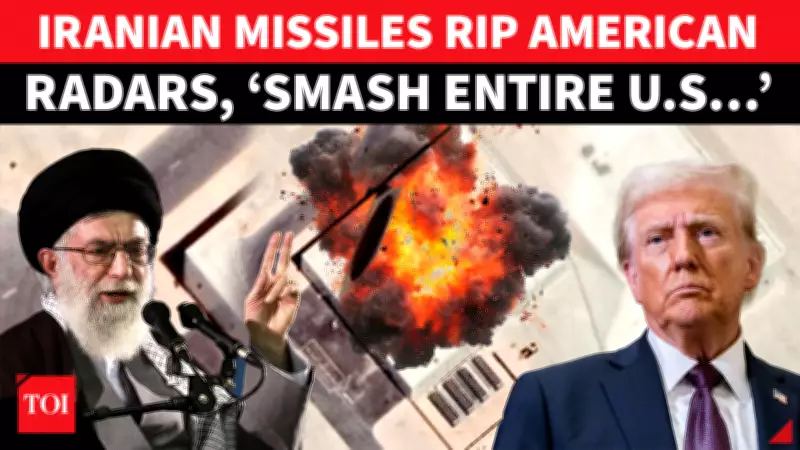
Iran's Major Retaliatory Strike Targets U.S. Military Assets in Gulf Region
Tensions have surged dramatically across the Middle East following a significant retaliatory strike launched by Iran targeting critical United States military installations in the Gulf. The Islamic Revolutionary Guard Corps has claimed responsibility for the operation, stating it successfully destroyed an American early warning radar system located in Qatar and struck the command headquarters of the United States 5th Fleet in Bahrain.
Operation 'Truthful Promise 4' and Its Widespread Impact
Iran has officially named this aggressive military action 'Truthful Promise 4'. According to Iranian military statements, the operation extended beyond Qatar and Bahrain, also targeting strategic sites within the United Arab Emirates and Israel. This coordinated assault represents a severe escalation in regional hostilities and has raised serious questions about the robustness of American air defense networks in the area.
Eyewitness reports and local media from the region described explosions and visible plumes of smoke over major cities including Doha and Abu Dhabi as regional defense systems scrambled to respond to the incoming threats. The scale and precision of the strikes suggest a well-planned offensive aimed at degrading U.S. military command and control capabilities.

Challenges to the U.S. Defense Umbrella
This incident has starkly highlighted potential vulnerabilities within what is often referred to as the U.S. air defense umbrella in the Middle East. The reported destruction of a key early warning radar in Qatar, a critical component for detecting incoming missiles and aircraft, points to significant gaps in defensive coverage. The simultaneous attack on the 5th Fleet command in Bahrain, a central hub for U.S. naval operations in the region, further underscores the operational risks faced by American forces.
Military analysts are closely examining the implications of these strikes. The effectiveness, or perceived ineffectiveness, of defensive responses will likely influence future strategic posturing and alliance dynamics throughout the Gulf Cooperation Council states and beyond.
Regional and Global Repercussions
The aftermath of Operation Truthful Promise 4 is expected to have profound consequences. The direct targeting of U.S. assets by Iran marks a dangerous new phase in the ongoing shadow conflict and could precipitate a more overt military confrontation. Security protocols across allied nations in the region are undoubtedly being reviewed and heightened.
Furthermore, this event places immense pressure on diplomatic channels. It tests the resolve of international coalitions and may accelerate arms procurement and defense cooperation talks among regional partners seeking to bolster their own security postures against similar threats.
The situation remains fluid and highly volatile. Global markets, particularly those sensitive to oil prices and regional stability, are monitoring developments with acute concern. The international community awaits official statements and assessments from U.S. Central Command regarding the extent of the damage and the planned response to this brazen challenge to its military presence in the Middle East.