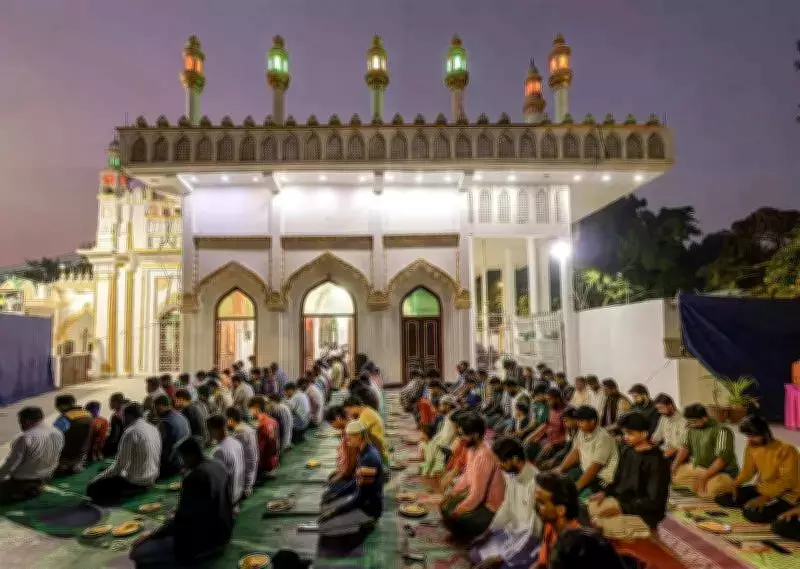
Shanivarasanthe Mosque Establishes Historic Women's Prayer Space During Ramzan
In a progressive and inclusive initiative, the Muslim community in Shanivarasanthe town, located in the Madikeri region, has introduced a significant new tradition during this year's observance of the holy month of Ramzan. Community elders have made a landmark decision to provide a separate, dedicated room exclusively for women and girls to visit the mosque and offer their prayers, marking a historic first for the local religious practice.
A Dedicated Space for Female Worshipers
For the very first time in the history of the town's Jamia Masjid, a specially arranged space has been allocated solely for the use of girls and women to perform their prayers during Ramzan. This initiative, which began eight days into the fasting period, has already seen approximately 30 women and girls from the community visiting the mosque on a daily basis to engage in their religious devotions. The move is seen as a step towards greater gender inclusivity within the traditional framework of worship.
Celebrating Interfaith Harmony in Shanivarasanthe
The establishment of the women's prayer room is set against a backdrop of longstanding interfaith harmony in Shanivarasanthe, where Hindus and Muslims have historically celebrated festivals and temple anniversaries together in a spirit of mutual respect and cooperation. The Muslim community actively participates in the annual celebrations of the village deities, including Sri Biralingeshwara–Prabala Bhairavi and the Parivar gods.

Key aspects of this interfaith collaboration include:
- Muslims visiting Hindu temples during festival times.
- The committee at the Jamia Masjid welcoming religious processions on the main road.
- Honouring the office bearers and priests of the temple committee as a gesture of goodwill.
Positive Reactions from the Hindu Community
Hindu residents of Shanivarasanthe have expressed their happiness and support for the new provision of a separate space for women to offer namaz at the Jamia Masjid. This positive response underscores the deep-rooted communal harmony in the area, where such initiatives are viewed as reinforcing the shared values of respect and inclusivity. The move is celebrated as a testament to the town's commitment to fostering unity and understanding among different religious groups.
This development highlights how traditional practices can evolve to embrace modern values of gender equality while strengthening the bonds of interfaith solidarity in diverse communities.