Holi 2026: Complete Guide to Dates, Timings, and Celebrations
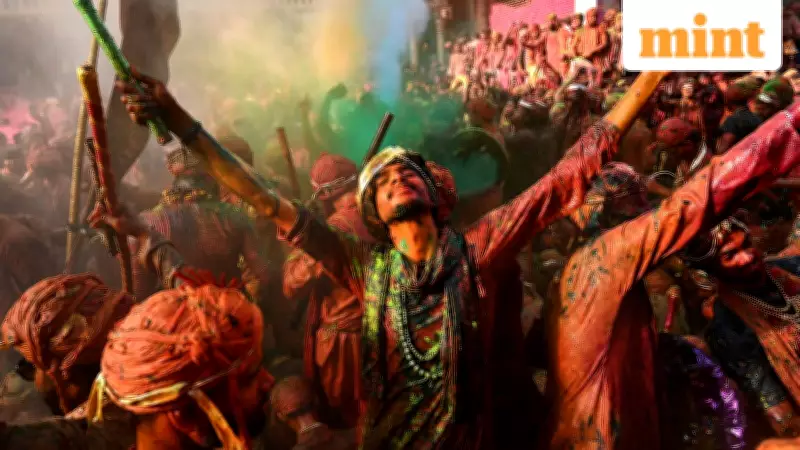
The vibrant preparations for Holi, one of the most significant and joyous festivals in Hindu culture, have officially commenced. With less than a month remaining until the festivities, devotees across the nation are eagerly seeking confirmation about the exact date for the celebrations. This year, the Festival of Colors, also widely known as Rangawali Holi or Dhulandi, will illuminate the month of March with its traditional fervor and spiritual significance.
Official Holi 2026 Date and Holika Dahan Schedule
According to the authoritative Drik Panchang, the main day of Holi will be celebrated on Wednesday, March 4, 2026. The celebrations traditionally commence a night prior with Holika Dahan, the sacred bonfire ritual. This year, Holika Dahan will be observed on Tuesday, March 3, 2026.
The auspicious muhurta, or time window, for performing the Holika Dahan ceremony is precisely between 6:22 PM and 8:50 PM on March 3. This timing is crucial for devotees to follow for maximum spiritual benefit.

Auspicious Timings and Astrological Details
The detailed planetary alignments and tithi for Holi 2026 are as follows, providing essential guidance for observant followers:
- Bhadra Punchha: 1:25 AM to 2:35 AM
- Bhadra Mukha: 2:35 AM to 4:30 AM
- Purnima Tithi Begins: 05:55 PM on March 2, 2026
- Purnima Tithi Ends: 05:07 PM on March 3, 2026
Sacred Hindu scriptures mandate that Holika Dahan should be performed during Pradosh Kaal, which starts after sunset, while the Purnimasi Tithi is still prevailing. The Drik Panchang specifically advises, "Bhadra prevails during the first half of Purnimasi Tithi and all good work should be avoided when Bhadra prevails." This year, Holika Dahan falls during Pradosh without Udaya Vyapini Purnima, making the observance particularly significant.
The Legend of Holi: Victory of Good Over Evil
The festival of Holi symbolizes the eternal triumph of good over evil, originating from the ancient legend of Prahlad and Holika. According to Hindu mythology, the demon king Hiranyakashipu, inflated with arrogance from a boon of near-immortality, attempted to kill his own son, Prahlad, who was a devout follower of Lord Vishnu.
Prahlad's evil aunt, Holika, who possessed a cloak that made her immune to fire, tricked the young devotee into sitting on a pyre with her. In a divine turn of events, the protective cloak flew from Holika to cover Prahlad, resulting in Holika being consumed by the flames while Prahlad emerged unscathed. It is further believed that Lord Vishnu subsequently incarnated as Lord Narasimha to protect Prahlad and ultimately vanquish the demon Hiranyakashipu, reinforcing the core message of righteousness prevailing.
Traditional Holi Eve Celebrations
On the evening before Holi, known variously as Holika Deepak or Chhoti Holi, families and communities gather around a ceremonially lit bonfire. This gathering is not merely social but a profound act of worship. Participants offer prayers to Holika, present symbolic grains and offerings into the fire, and collectively mark the commencement of the Festival of Colors. The evening is traditionally complemented with the sharing of special sweets and festive drinks, strengthening bonds and ushering in the joyous spirit of the main celebration day.