Holi 2026: Complete Guide to Dates, Holika Dahan Muhurat, and Bhadra Kaal Timings
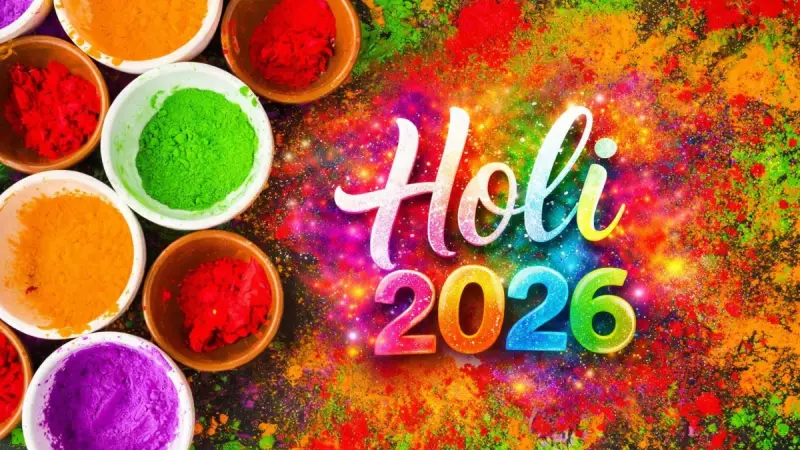
As the vibrant festival of colors approaches, devotees across India are eagerly awaiting the celebration of Holi in 2026. According to the Hindu calendar, Holi will be observed on Saturday, March 14, 2026. This auspicious day marks the triumph of good over evil and is celebrated with immense joy and fervor.
Holika Dahan 2026: Significance and Muhurat
The festivities commence with Holika Dahan, also known as Chhoti Holi, which will take place on Friday, March 13, 2026. This ritual involves lighting a bonfire to symbolize the burning of the demoness Holika and the protection of Prahlad, a devotee of Lord Vishnu. The precise muhurat for Holika Dahan is crucial for performing the ceremony at an auspicious time.
In 2026, the Holika Dahan muhurat is expected to fall during the evening hours, typically after sunset. Devotees should consult local panchangams or astrological sources for the exact timings, as they may vary slightly based on geographical location. Performing the puja within this muhurat is believed to bring blessings and ward off negative energies.

Understanding Bhadra Kaal and Its Impact
An important aspect to consider during Holika Dahan is Bhadra Kaal, an inauspicious period according to Hindu astrology. Bhadra Kaal is a time when certain activities, including religious ceremonies, are avoided to prevent malefic effects. In 2026, Bhadra Kaal is anticipated to occur during the daytime on March 13, preceding the Holika Dahan muhurat.
It is essential to schedule Holika Dahan after Bhadra Kaal ends to ensure the rituals are performed under favorable planetary alignments. Ignoring Bhadra Kaal can lead to obstacles and hinder the spiritual benefits of the festival. Therefore, planning the celebrations around these timings is highly recommended for a harmonious and prosperous Holi.
Celebrating Holi 2026: Traditions and Customs
Holi, celebrated on March 14, 2026, is a day of joy, colors, and community bonding. The festival honors the divine love of Radha and Krishna and the victory of good over evil. Key traditions include:
- Playing with Colors: People smear each other with gulal and colored water, symbolizing unity and forgiveness.
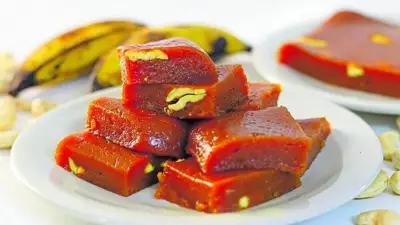
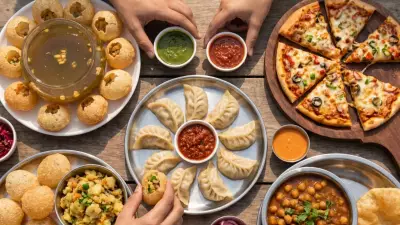
- Feasting: Special delicacies like gujiya, thandai, and puran poli are prepared and shared among family and friends.
- Music and Dance: Festive songs and dances add to the merriment, creating a lively atmosphere.
- Visiting Temples: Many devotees offer prayers at temples to seek blessings for happiness and prosperity.
By adhering to the muhurat and avoiding Bhadra Kaal, celebrants can enhance the spiritual significance of Holi 2026. This festival not only brings people together but also reinforces cultural heritage and religious devotion across the nation.