Holi 2026 to Coincide with Rare Total Lunar Eclipse, Creating Unique Celestial Event
Holi, widely celebrated as India's most vibrant and joyous festival of colors, is set to become even more extraordinary in 2026. On March 3, 2026, the traditional festivities will be enhanced by a remarkable astronomical phenomenon—the first total lunar eclipse of the year, creating a rare convergence of cultural and scientific significance.
Total Lunar Eclipse Details and Visibility
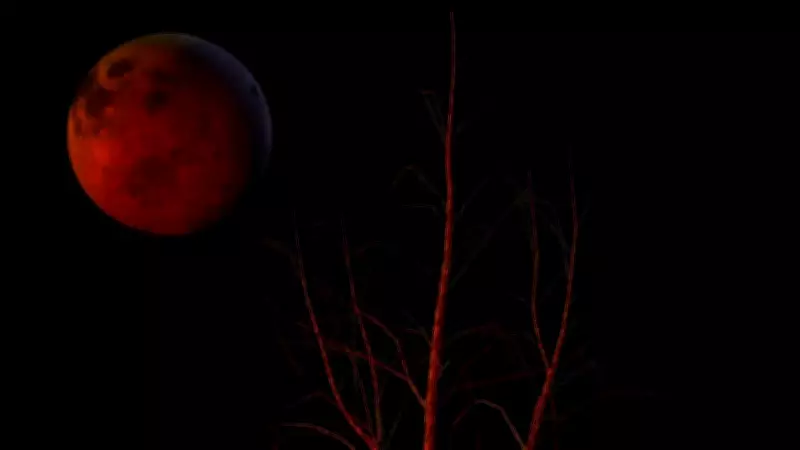
A total lunar eclipse, often referred to as a Blood Moon due to its reddish hue, will occur on March 3, 2026. This celestial event will be visible in the morning hours across India and other parts of the world. According to NASA, the eclipse timings are as follows:
- Penumbral eclipse begins: 2:14 pm IST
- Partial eclipse begins: 3:20 pm IST
- Totality begins: 4:34 pm IST
- Totality ends: 5:33 pm IST
- Partial eclipse ends: 6:47 pm IST
- Penumbral eclipse ends: 7:53 pm IST
As reported by Space.com, the total lunar eclipse will be visible from North America, Australia, New Zealand, and the Pacific region. However, it will not be visible in Africa and Europe, making it a special sight for observers in the Eastern Hemisphere.

Why This Eclipse is Particularly Special
The 2026 total lunar eclipse holds unique importance for several reasons. Firstly, it coincides with Holi, adding a layer of cultural and religious significance to the astronomical event. This alignment is rare and enhances the festive spirit with a celestial backdrop.
During the eclipse, the Moon will appear dark red or orange as sunlight filters through Earth's atmosphere, creating a stunning visual spectacle. This phenomenon, known as a Blood Moon, will be visible to approximately 31% of the world's population, offering an enchanting view that won't be replicated until the next total lunar eclipse in 2028.
For sky enthusiasts, this event provides an opportunity to witness a different yet fascinating aspect of lunar observation. The Earth's shadow dimming the lunar surface may also make constellations easier to spot than usual, adding to the viewing experience.
Tips for Observing the Eclipse
NASA offers practical advice for those planning to observe the total lunar eclipse:
- No special equipment is required to watch the eclipse, making it accessible to everyone.
- Seek a dark environment away from bright lights to enhance visibility.
- Binoculars or telescopes can be used to improve the viewing experience, though they are not necessary.
- Remember that the eclipse will not be visible in Africa and Europe, so plan accordingly if traveling.
This Holi 2026 promises to be more than just a festival of colors; it will be a memorable event where tradition meets science, offering a unique opportunity for celebration and celestial observation.