Holika Dahan 2026: A Comprehensive Guide to Puja Samagri and Auspicious Timings
As the vibrant festival of Holi approaches in 2026, devotees across India are eagerly preparing for Holika Dahan, a significant ritual that marks the triumph of good over evil. This ancient tradition, deeply rooted in Hindu mythology, involves the ceremonial burning of Holika, symbolizing the victory of devotion and righteousness. To ensure a spiritually fulfilling experience, it is crucial to have the correct puja samagri and observe the auspicious timings. This detailed guide provides everything you need to know for Holika Dahan in 2026, from essential items to precise muhurat details, helping you perform the ritual with reverence and accuracy.
Complete Puja Samagri List for Holika Dahan 2026
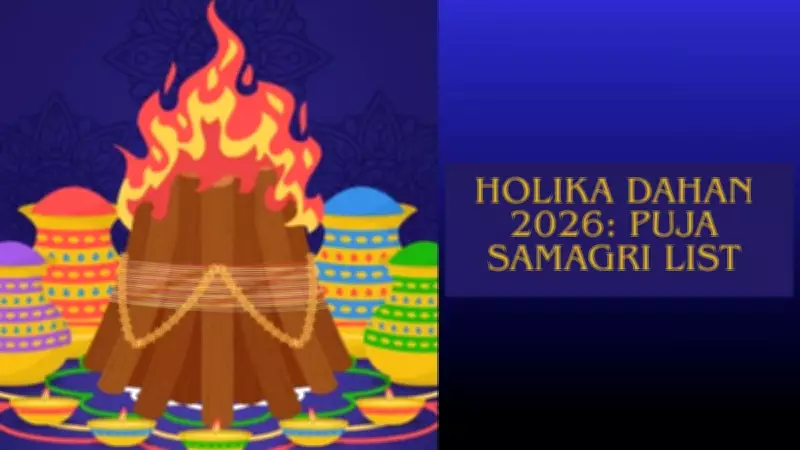
Gathering the right puja samagri is fundamental to conducting Holika Dahan properly. The ritual requires specific items that hold symbolic meanings and are believed to invoke divine blessings. Below is a comprehensive list of essential samagri for Holika Dahan in 2026:
- Holika Effigy: A representation of Holika, typically made from combustible materials like wood, straw, or paper, to be burned during the ceremony.
- Ghee and Oil: Used for anointing the effigy and lighting the fire, symbolizing purity and energy.
- Flowers and Garlands: Fresh flowers, especially marigolds, and garlands to decorate the effigy and puja area, representing devotion and beauty.
- Incense Sticks and Camphor: For performing aarti and creating a sacred atmosphere, believed to ward off negative energies.
- Sweets and Fruits: Offerings such as ladoos, pedas, and seasonal fruits to seek blessings for prosperity and happiness.
- Grains and Pulses: Items like wheat, rice, and lentils, which are often thrown into the fire as a symbolic gesture of letting go of past impurities.
- Water and Milk: For purification rituals before and after the burning, signifying cleansing and renewal.
- Red and Yellow Colors: Powdered colors (gulal) to apply during the puja, representing joy and the festive spirit of Holi.
- Sacred Thread (Moli): Tied around the effigy or used in prayers, symbolizing protection and spiritual connection.
- Puja Thali: A plate containing all samagri, organized for ease during the ritual.
It is advisable to source these items from trusted vendors or prepare them at home to ensure authenticity and purity. Additionally, involving family members in the preparation can enhance the spiritual significance of the event, fostering unity and shared devotion.

Auspicious Timings for Holika Dahan 2026
Observing the correct muhurat (auspicious timing) is vital for Holika Dahan, as it is believed to maximize the ritual's benefits and align with cosmic energies. Based on Hindu astrological calculations, the auspicious timings for Holika Dahan in 2026 are as follows:
- Date: Holika Dahan is scheduled for Sunday, March 1, 2026.
- Pradosh Kaal: The most favorable time for performing Holika Dahan is during Pradosh Kaal, which typically begins after sunset. In 2026, this period is expected to start around 6:30 PM and last until 8:45 PM local time, but exact timings may vary slightly based on geographical location.
- Bhadra Kaal: It is crucial to avoid Bhadra Kaal, an inauspicious period that might occur earlier in the day. For 2026, Bhadra Kaal is anticipated to end by late afternoon, ensuring that the evening hours remain optimal for the ritual.
- Moonrise and Sunset: Aligning the puja with moonrise or shortly after sunset is considered highly auspicious, as it symbolizes the transition from darkness to light, echoing the theme of Holika Dahan.
To determine precise timings for your specific city, consulting a local Hindu calendar or astrologer is recommended, as factors like longitude and latitude can influence muhurat calculations. Performing the puja within these auspicious windows is said to bring blessings of health, wealth, and protection from evil forces, making the celebration more meaningful and spiritually rewarding.

Step-by-Step Guide to Performing Holika Dahan
Once you have gathered the samagri and noted the timings, follow this step-by-step guide to conduct Holika Dahan with devotion and precision:
- Preparation: Clean the puja area thoroughly and arrange the Holika effigy in an open space, ensuring safety from fire hazards. Place all samagri on the puja thali for easy access.
- Invocation: Begin by lighting incense sticks and camphor, offering prayers to Lord Vishnu and Prahlad to seek their blessings for the ritual.
- Anointing: Apply ghee and oil to the effigy while chanting mantras or reciting the story of Holika and Prahlad, emphasizing the victory of faith over malice.
- Offering: Place flowers, sweets, fruits, grains, and pulses around the effigy as offerings, symbolizing gratitude and surrender to divine will.
- Burning: At the auspicious time, light the effigy using a sacred flame, often from a diya or lamp. As it burns, circumambulate the fire (parikrama) while sprinkling water and milk for purification.
- Aarti and Prayers: Perform aarti with camphor and incense, singing hymns or bhajans dedicated to the occasion. Distribute prasad (blessed sweets) among participants to share the blessings.
- Post-Ritual: After the fire subsides, collect ashes as a sacred symbol and dispose of them respectfully. Clean the area and reflect on the ritual's significance, focusing on personal renewal and positivity.
By adhering to these steps, you can ensure that Holika Dahan is performed authentically, honoring tradition while embracing its spiritual essence. This ritual not only celebrates mythological heritage but also encourages community bonding and introspection, making it a cornerstone of the Holi festival in 2026.
Significance and Cultural Impact of Holika Dahan
Holika Dahan holds profound cultural and spiritual significance in Hinduism, commemorating the legend of Prahlad and Holika from ancient scriptures. According to mythology, the demon king Hiranyakashipu attempted to kill his devout son Prahlad, who was a devoted follower of Lord Vishnu. Holika, Hiranyakashipu's sister, possessed a boon that made her immune to fire, and she tried to burn Prahlad by sitting with him in a pyre. However, due to Prahlad's unwavering faith, he emerged unharmed while Holika perished, symbolizing the triumph of good over evil and the power of devotion.
In contemporary times, Holika Dahan serves as a reminder of these values, promoting righteousness, courage, and faith among communities. The ritual is observed with great enthusiasm across India, from rural villages to urban centers, often accompanied by communal gatherings, music, and dance. It sets the stage for the colorful celebrations of Holi the following day, where people play with colors and water, fostering joy and harmony. By understanding and participating in Holika Dahan, individuals connect with their cultural roots, reinforcing social bonds and spiritual beliefs that have been passed down through generations.
As Holika Dahan 2026 approaches, this guide aims to empower devotees with accurate information, ensuring a meaningful and safe celebration. Whether you are a seasoned practitioner or new to the ritual, following these guidelines can enhance your experience, allowing you to embrace the festival's spirit fully. Remember, the essence of Holika Dahan lies not just in the external rituals but in the internal reflection and commitment to positive values, making it a timeless tradition that continues to inspire millions.