For many in India, a cup of tea is far more than a mere beverage. It is a vessel carrying a universe of memories, a catalyst for conversation, and a silent witness to history. The ritual of brewing and sharing tea forms an intimate part of the daily rhythm, connecting individuals to their past and to each other in ways that are deeply personal yet universally Indian.
The Personal Ritual: Tea as a Keeper of Memory
The author's own journey with tea begins in a Kolkata household, where the preparation was a precise, almost sacred, daily ritual. The specific brand, Brooke Bond Red Label, was non-negotiable. The process involved boiling water in a battered kettle, adding the tea leaves, sugar, and milk in a particular order, and finally straining it into cups. This was not just making tea; it was performing a family tradition.
This ritual was intrinsically linked to the culture of 'adda'—the long, meandering conversations that are the lifeblood of Bengali social life. Tea was the essential fuel for these sessions, where discussions on politics, literature, and life flowed as freely as the brew itself. The clinking of cups against saucers provided a soundtrack to debates and camaraderie, making tea an inseparable part of intellectual and emotional bonding.

The Historical Brew: Colonial Roots and Plantation Realities
Beyond the personal lies a vast and often painful historical landscape. The story of tea in India is inextricably tied to British colonialism. While tea was consumed in India earlier, its commercial cultivation was aggressively pushed by the British East India Company to break China's monopoly.
The author poignantly recalls a visit to the Hoolongoorie Tea Estate in Assam. Standing amidst the neatly manicured bushes, the romantic image of tea faded, replaced by the grim reality of its origins. These very plantations were built on a system of exploitation. The British, facing local labor shortages, brought in tribal communities from central India—like the Santhals and Oraons—under conditions that were little better than indentured servitude.
This history casts a long shadow. When we sip our tea today, we are, perhaps unknowingly, tasting a legacy of colonial ambition and the toil of displaced communities whose descendants still work in these gardens. The cup holds this bitter past within its comforting warmth.
Tea as a Unifying Thread in the Indian Fabric
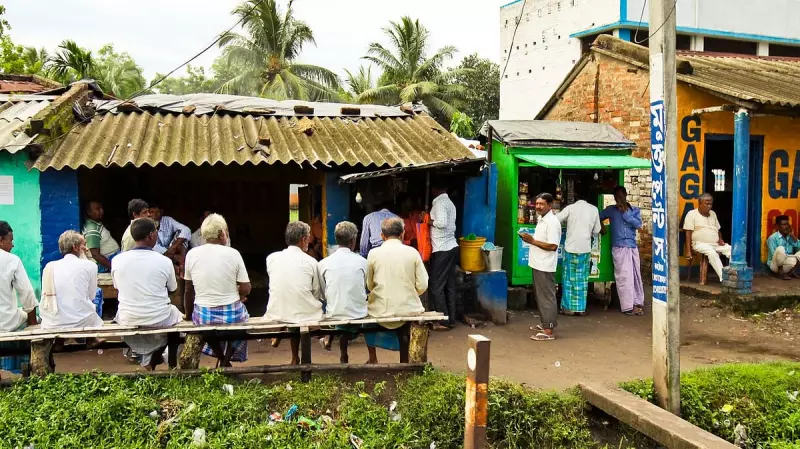
Despite its complex history, tea has evolved into a great Indian unifier. It transcends region, class, and religion. From the strong, milky 'kadak chai' of a Delhi street stall to the delicate Darjeeling first flush in a connoisseur's porcelain, it adapts to every palate and pocket.
It is the drink offered to guests as a sign of welcome, the shared comfort during a break from work, and the steady companion during moments of solitude or crisis. In railway stations, bus stops, offices, and homes, the act of making and offering tea is a fundamental gesture of care and connection. It pauses time, creates a space for interaction, and fosters a sense of community.
The humble cup of tea, therefore, is a microcosm of India itself. It contains personal nostalgia, collective social habits, and the layered, often difficult, history of the subcontinent. It is a daily ritual that connects the present to the past, the individual to the family, and the home to the wider world. Next time you lift your cup, remember—you are not just drinking tea; you are partaking in a story that is steeped in memory, culture, and history.