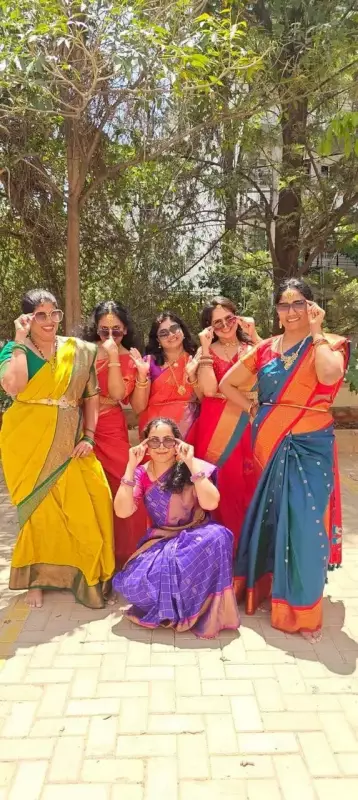
As the sun rises on Makara Sankranti, the air in Bengaluru fills with anticipation. Children ready their kites, while the aroma of traditional sweets like ellu bella wafts from homes. This harvest festival, marking the sun's transition into Capricorn, is a time of renewal and togetherness across India. In Bengaluru's cosmopolitan apartment complexes, this spirit is being reimagined, creating new traditions of inclusivity and shared joy.
Apartment Communities Revive Festive Traditions
For many residents, these high-rise homes have become the new joint family, reviving the essence of community living. Raksha Suman Raghuram, an engineering student from Hebbal, reflects on the festival's meaning. "This year especially, it feels like a reminder that change doesn't erase where you come from; it simply adds new colours to it," she says, viewing Sankranti as a quiet reset filled with warmth and hope.
The festival is known by many names across India: Pongal in Tamil Nadu, Uttarayan in Gujarat, Lohri in Punjab, Haryana and Himachal Pradesh, and Bihu in Assam. In Karnataka, Telangana, Andhra Pradesh, and Maharashtra, it is celebrated as Makara Sankranti. Bengaluru's residential complexes are embracing this diversity.

At Brigade Lakefront, a community Pongal is scheduled for January 17, starting with the auspicious notes of nadaswaram and featuring traditional games like uriyadi. Young Sri Saranga S, a 10-year-old from Krishvi Gavaski apartment in Kadubeesanahalli, eagerly awaits the moment when everyone shouts 'Pongalo Pongal!' "It feels like a festival of happiness," he says, confessing his love for sakkarai pongal loaded with ghee and cashews.
Bonfires, Feasts, and Shared Celebrations
Lohri celebrations are equally vibrant. At Purva Skywood in Haralur, a 730-unit complex, residents will gather around a bonfire on January 13 for about an hour of festivities, complete with a photo booth. The spirit is inclusive, as seen at Mantri Tranquil on Kanakapura Road. Mandar Joshi, secretary of the apartment owners' association, notes that celebrations are not limited to the size of a community. "Punjabis do not form a large base of our population. But we celebrate all festivals... even if initiated by a group that traditionally celebrates them," he explains.
This year, Godrej Woodsman Estate in Hebbal is pioneering a combined celebration of Sankranti and Lohri. "This is a first for the community. Instead of celebrating each festival separately, residents chose to combine them so everyone could join in," says Amit Kumar, a management committee member. The day will feature kite flying, a procession, rituals like exchanging haldi-kumkum, and cultural programs. A paid community lunch, expecting nearly 300 residents, will offer a Mangalorean-style vegetarian spread.
Creating Memories and Strengthening Bonds
For residents, these events transcend mere entertainment. They transform living spaces into hubs of connection and memory. Shravan Anand, Sri Saranga's friend, cherishes watching elders cook Pongal together and share stories about farmers. "My friends and I even compare whose house has the tastiest pongal. Those moments make the festival very special for me," he shares.
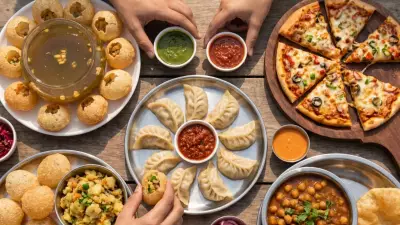
At Candeur Landmark Apartment in Varthur, a complex of 833 apartments and 5 villas, the Punjabi community leads the Lohri celebrations. Treasurer Nilima Kumari highlights the well-organized events, including theme-based cultural stalls funded by resident contributions and the RWA. Similarly, at Platinum City on HMT Road, resident Uma Khemuka enjoys the bonfire rituals and a thoughtfully curated spread of Punjabi food like chole bhature and pani puri, despite a small Punjabi population.
As Raksha Suman Raghuram observes, moving away for college showed her how the same festival holds different meanings. "Watching others celebrate it differently... was fun and interesting. It made me realise how the same festival can hold different meanings for different people." In Bengaluru's apartments, these diverse meanings are weaving together, creating a richer, more inclusive tapestry of celebration, proving that the essence of Indian festivals lies in shared warmth and collective joy.