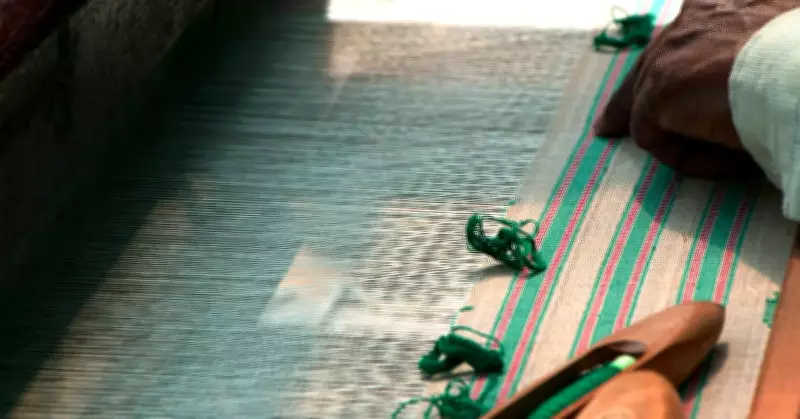
The Enduring Legacy of Hubli's Six Yards
In the bustling city of Hubli, Karnataka, a remarkable textile tradition has managed to survive the test of time, even as its origins have become somewhat obscured in local memory. The story of Hubli sarees is one of resilience and cultural continuity, where the craft has outlived the precise recollection of its historical roots. Journalist Hemalatha Jain has meticulously documented this fascinating narrative, shedding light on how these traditional six-yard garments have persisted through generations.
A Craft That Defies Forgetting
Despite the fading of specific memories surrounding their inception, Hubli sarees have maintained a vibrant presence in the region's textile landscape. These sarees are celebrated for their intricate designs and high-quality weaving, which reflect the rich artistic heritage of the Deccan area. The motifs found in Hubli sarees are not isolated; they echo across various other weaving traditions within the Deccan region, creating a cohesive tapestry of shared cultural expressions.
This interconnectedness highlights the deep-rooted weaving practices that have been passed down through artisans over centuries. The survival of these motifs in multiple weaves underscores the adaptability and enduring appeal of Deccan textile art, even as specific historical details may have blurred over time.

Reflections in Deccan Weaves
Hemalatha Jain's research reveals that the motifs characteristic of Hubli sarees can be observed in several other weaving styles from the Deccan. This reflection suggests a common artistic vocabulary that has been utilized and reinterpreted by different communities of weavers across the region.
- The geometric patterns and floral designs seen in Hubli sarees often appear in textiles from neighboring areas, indicating a shared aesthetic tradition.
- These motifs serve as a visual language that communicates the cultural identity and artistic sensibilities of the Deccan people.
- The persistence of these designs in contemporary weaving practices demonstrates their timeless relevance and artistic value.
The ability of these motifs to transcend specific saree types and integrate into broader weaving traditions speaks volumes about their cultural significance and artistic merit.
Preserving Heritage Through Craft
The tale of Hubli sarees is more than just a story about textiles; it is a narrative about cultural preservation and the power of craft to sustain heritage. Even as memories fade, the physical artifacts—the sarees themselves—continue to tell the story of the region's artistic past.
- Artisans in Hubli and surrounding areas have kept the weaving techniques alive, ensuring that the craft does not disappear.
- These sarees are not merely garments but are considered cultural artifacts that embody the history and identity of the Deccan region.
- The ongoing production and appreciation of Hubli sarees help to maintain a tangible connection to the region's textile heritage.
This enduring craft serves as a testament to the resilience of traditional arts in the face of modernization and changing societal memories.
The Broader Impact on Karnataka's Textile Industry
The survival and continued relevance of Hubli sarees contribute significantly to Karnataka's handloom sector. They represent a vital part of the state's cultural economy, supporting local artisans and promoting sustainable fashion practices.
By highlighting these sarees, Hemalatha Jain brings attention to the importance of preserving such traditional crafts for future generations. The documentation of Hubli sarees and their motifs in other Deccan weaves provides valuable insights for historians, textile enthusiasts, and cultural preservationists alike.
Ultimately, the story of Hubli's six yards is a powerful reminder that while memories may fade, the legacy of skilled craftsmanship can endure, weaving together the past and present in a beautiful, tangible form.